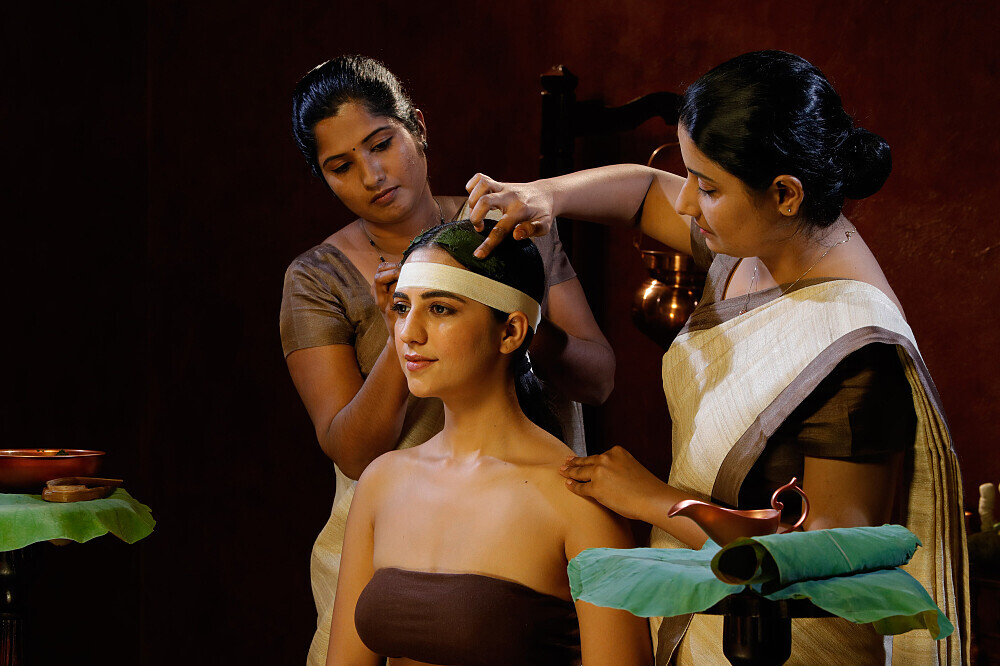
One word, two very different stays
Ayurveda is India's traditional system of medicine, and on a retreat listing it can mean almost anything: a daily oil massage and a vegetarian menu, a consultation and a few treatments woven into a yoga holiday, or a supervised course of cleansing procedures that shapes every hour of your stay. The word on the listing doesn't tell you which one you're buying, and the difference in price between them is large.
Panchakarma sits at the intensive end. Kerala Tourism describes it as a combination of five treatment techniques, and advises choosing a centre led by qualified Ayurvedic physicians, with programmes tailored to the individual. Practitioners treat it as a sequence rather than a menu: there are preparatory days before the main procedures and quieter days after them, and the diet and daily routine are part of the course, not a backdrop to it. That's why it doesn't compress well into a long weekend.
This guide splits the programmes by the length each host gives. Longer stays run 14 days or more; shorter stays run less than that. Neither group is better. They're different purchases, with different prices, daily schedules and expectations, and what matters is knowing which one you're looking at.
Longer stays and shorter stays, side by side
The table lists every programme in this guide with the length the host gives, where it runs, whether the host itself uses the word panchakarma, and any treatments the host itemises as included. It's a reading of the hosts' own listings, not a grading of their treatments, and it isn't medical advice.
| Programme | Length | Where | Host says panchakarma | Treatments itemised by the host | From |
|---|---|---|---|---|---|
| Longer stays: 14 days or more | |||||
| 14 Days Master Cleanse Detox Ayurveda Retreat Adimali,Munnar Kerala | 14 days | Kerala | Yes | None itemised | USD 1,300 |
| 14 Day Panchakarma Detox & Ayurveda Healing Retreat in India | 14 days | Karnataka | Yes | Doctor or consultation, Panchakarma | EUR 2,481 |
| Shorter stays: under 14 days | |||||
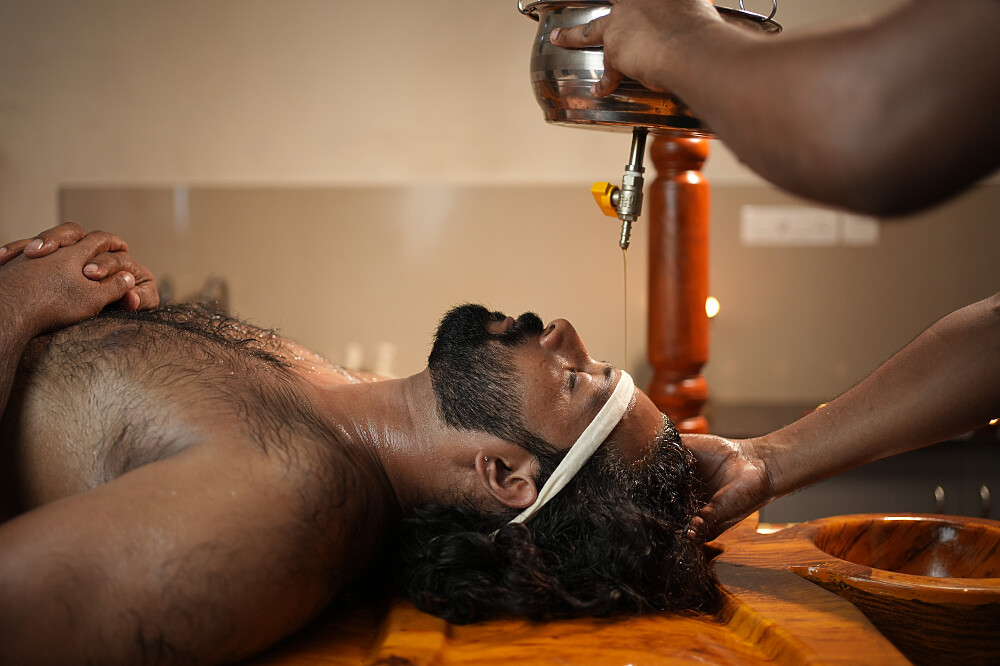
| 5 Day Ayurveda Wellness and Rejuvenation Retreat in India | 5 days | Rajasthan | No | Oil massage, Shirodhara, Herbal steam | USD 715 |
| 7 Day Veda Evolve Yoga Ayurveda Wellness & Rejuvenation Retreat | 7 days | Kerala | No | None itemised | USD 433 |
| 7 Day Panchakarma Detox & Ayurveda Healing Retreat in India | 7 days | Karnataka | Yes | Doctor or consultation, Panchakarma | USD 1,387 |
| 7 Night Rejuvenating Ayurveda Yoga Retreat in Kerala, India | 8 days | Kerala | No | None itemised | NZD 2,100 |
| 9 Day Yoga Ayurveda Wellness & Rejuvenation Retreat, India | 9 days | Kerala | No | None itemised | USD 577 |
Reading the table
A host that calls a short stay panchakarma may be offering a selection of the procedures rather than the full sequence. That can be a sensible introduction, but ask which procedures are included, on which days, and what the days in between look like.
A programme with no treatments itemised may still include them, because many hosts describe their treatments in the programme text rather than in a list. Or it may be a yoga or wellness stay with Ayurvedic food and a consultation. Either can be exactly what you want, as long as you know before you pay.
Compare prices the same way. A longer stay costs more in total, so look at what each day actually contains (treatments, consultations, meals, the room) rather than at the headline figure.
Kerala
Kerala has the strongest claim to being Ayurveda's home ground: a state with a long tradition of Ayurvedic practitioner families and treatment centres, and a tourism board that has built much of its identity around both. If you want Ayurveda in the setting where it's most woven into daily life, this is the obvious place to start.
Season matters more here than almost anywhere. Kerala Tourism explains that the Malayalam month of Karkidakam, which falls in July or August, in the last phase of the monsoon, is traditionally considered the ideal time for Ayurvedic rejuvenation therapies, and it mentions oil therapies and panchakarma among the treatments of that season. That runs against ordinary travel logic, because it's the wettest, quietest part of the year on the coast.
So choose deliberately. If you want the traditional season, go in the rain and expect to spend your days indoors. If you want the beach as well, go in the dry months and accept that you're choosing comfort over custom. The programmes in this guide that run in Kerala are listed below.
- 7 Day Veda Evolve Yoga Ayurveda Wellness & Rejuvenation RetreatKochi · 7 days · from USD 433
- 7 Night Rejuvenating Ayurveda Yoga Retreat in Kerala, IndiaKovalam Beach · 8 days · from NZD 2,100
- 9 Day Yoga Ayurveda Wellness & Rejuvenation Retreat, IndiaKochi · 9 days · from USD 577
- 14 Days Master Cleanse Detox Ayurveda Retreat Adimali,Munnar KeralaAluva - Munnar Road · 14 days · from USD 1,300
Elsewhere in India, programmes in this guide run in Rajasthan, Karnataka.
Who runs the treatments
In India, Ayurveda is a regulated system of medicine with its own degree courses and a national statutory regulator, the National Commission for Indian System of Medicine, which has a board for the ethics and registration of practitioners. Ask whether a qualified Ayurvedic doctor sees you on arrival and during your stay, who carries out the treatments day to day, and whether the doctor is on site or visits.
Tell that doctor about any medication you take and any condition you're managing, and tell your own doctor at home what you're planning. The US National Center for Complementary and Integrative Health advises telling all your health care providers about any complementary approaches you use, and notes that some Ayurvedic preparations may contain lead, mercury or arsenic in amounts that can be toxic. So ask what you'll be given to take by mouth, whether it's prepared on site or bought in, and whether you can decline it.
A retreat is not a substitute for medical care, and a good host will say so. If you're managing a condition, plan the stay with your doctor rather than treating the retreat as treatment.
Questions to ask before you book
- Is there a consultation before you arrive or on arrival, and does the plan change after it?
- Which treatments are included, how often, and which cost extra?
- Is the food a set diet that's part of the programme, or a menu?
- What does a typical day look like: how many hours of treatment, and how much free time?
- Is there anything you'll be asked to avoid during the stay, such as sun, alcohol or hard exercise?
- What happens if you need to stop early, and what's refunded?
- Is the room private, and is there a rate for a companion who isn't having treatments?
Finally, check your visa. India's official e-Visa site lists medical treatment, including treatment under Indian systems of medicine, among the purposes of the e-Tourist visa, and also runs a separate e-Medical visa. Which one fits depends on your stay, so read the current rules for your nationality before you book.