Which part of Bali?
Bali is small enough to cross in a day and varied enough that the part you choose shapes the whole retreat. A week in the rice-field villages of the west has very little in common with a week between surf breaks on the Bukit, even when the yoga timetable looks the same on paper. So decide first what you want outside the shala: culture, the sea, quiet, or company.
The table shows where the programmes in this guide are, using the area each listing names. Several listings say only that they're in Bali. Ask the host for the village or nearest town before you book, because it tells you how far you'll be from the airport, the beach and everything else.
| Area | Programmes | Length | From-price (US$) |
|---|---|---|---|
| Ubud and the central hills | 3 | 6–13 days | US$1,724 – US$2,259 |
| Tabanan and the west | 10 | 3–14 days | US$160 – US$1,040 |
| South coast: Canggu, Uluwatu, the Bukit | 2 | 8–29 days | US$1,471 – US$2,590 |
| North and east | 2 | 21 days | US$3,600 – US$4,000 |
| Nusa Lembongan and Nusa Penida | 1 | 6 days | US$489 |
| Area not named on the listing | 13 | 4–20 days | US$239 – US$2,828 |
Ubud and the central hills
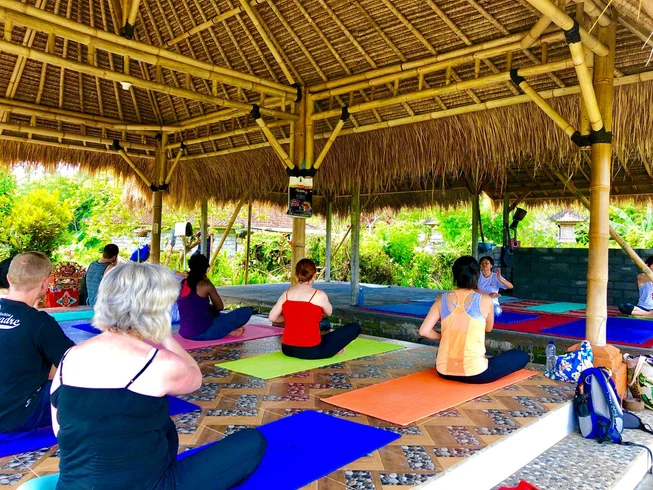
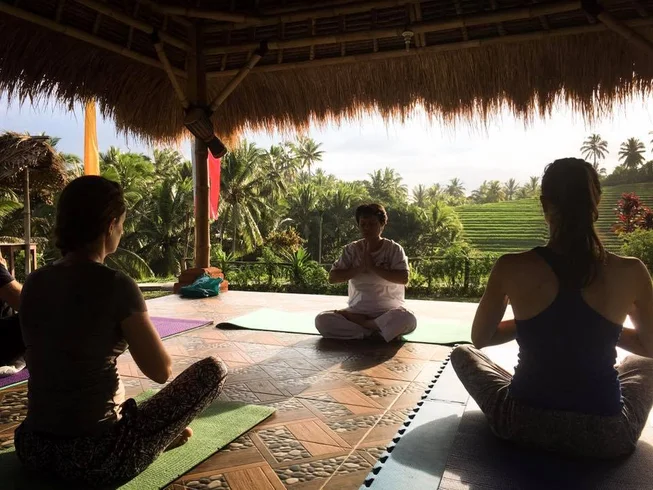
Ubud is the island's cultural centre and the place most people picture when they think of yoga in Bali: a town in the foothills north of Denpasar, surrounded by rice terraces and river valleys, with dance performances, craft villages and a dense scene of yoga studios, healers and vegetarian cafés. A retreat here makes it easy to add a drop-in class, a cooking course or a temple visit to your own programme.
The trade-off is company. Central Ubud is busy and its roads are often jammed, and a retreat in the middle of town can feel less like a retreat than one a few kilometres out. If quiet matters, ask how far the venue is from the main road and whether the shala is open to the street. The hills are also a little cooler than the coast in the evenings, since temperatures on Bali drop markedly with altitude. Pack a layer.
The south coast: Canggu, Uluwatu and the Bukit
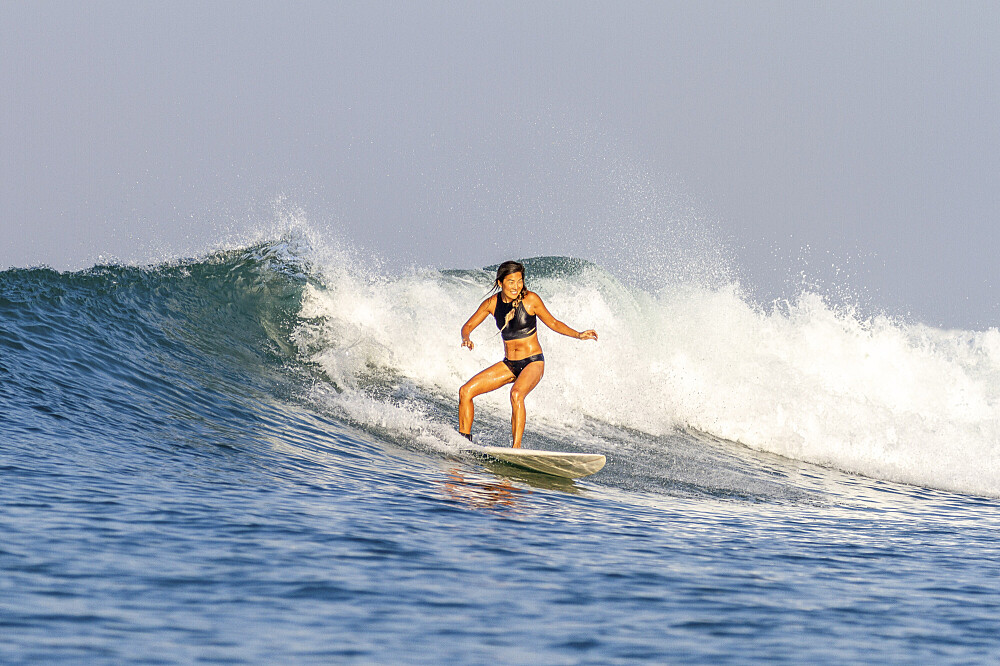
The south is where Bali's surf is, and where most visitors stay. Canggu mixes surf, cafés and co-working; the Bukit peninsula around Uluwatu has limestone cliffs above well-known breaks. Some retreats here pair yoga with surf lessons, and social life is never far away, which suits people who want a holiday with structure more than a retreat from the world.
It's also the busiest and most built-up part of the island. Check how far the venue is from the beach you'll surf and how you'll get there, and whether lessons are included or paid on the day. Beginners should ask which beach is used for lessons, because some of the breaks the south is known for are reef breaks meant for experienced surfers.
The villages of the west, the north and the islands
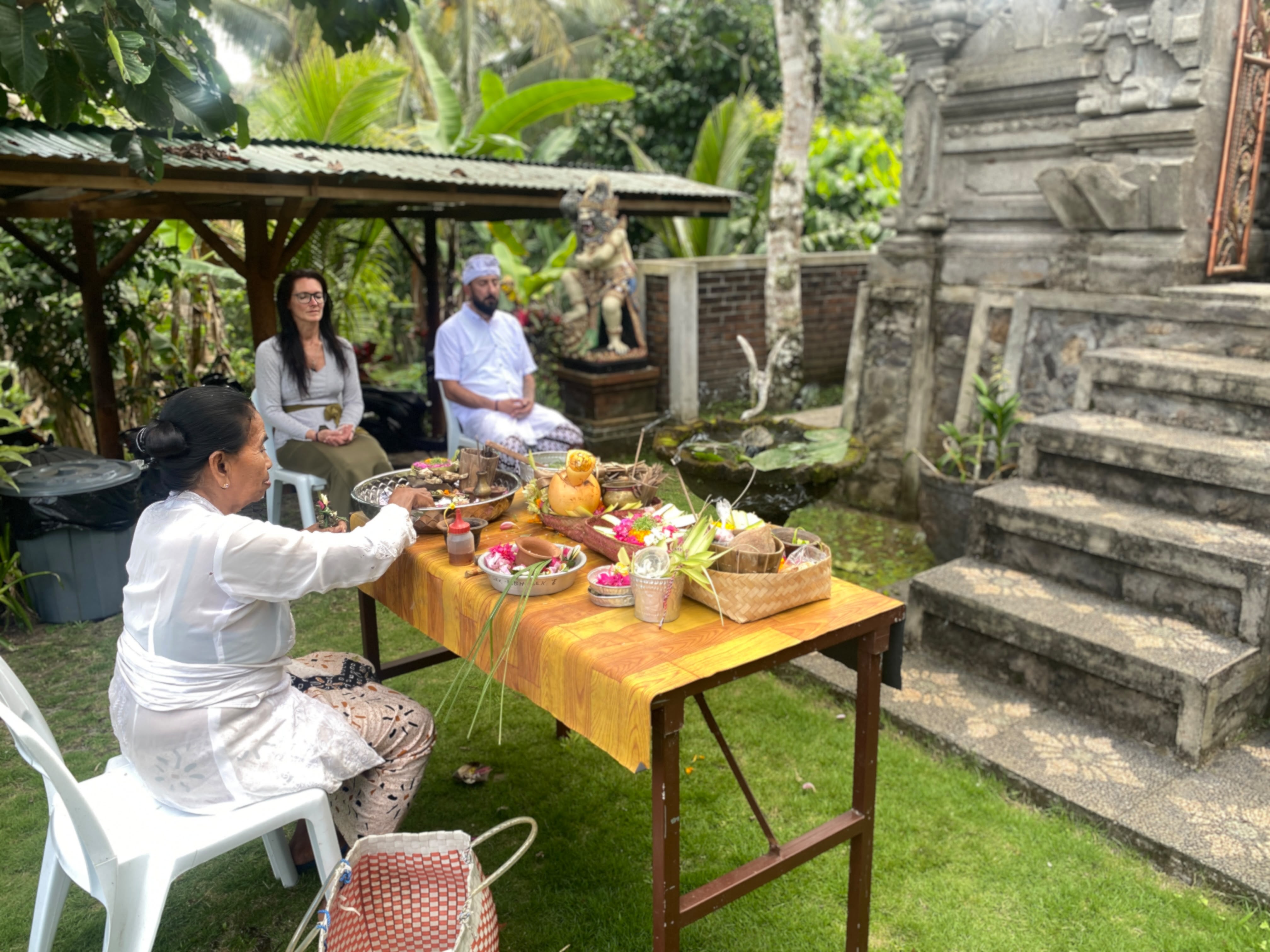
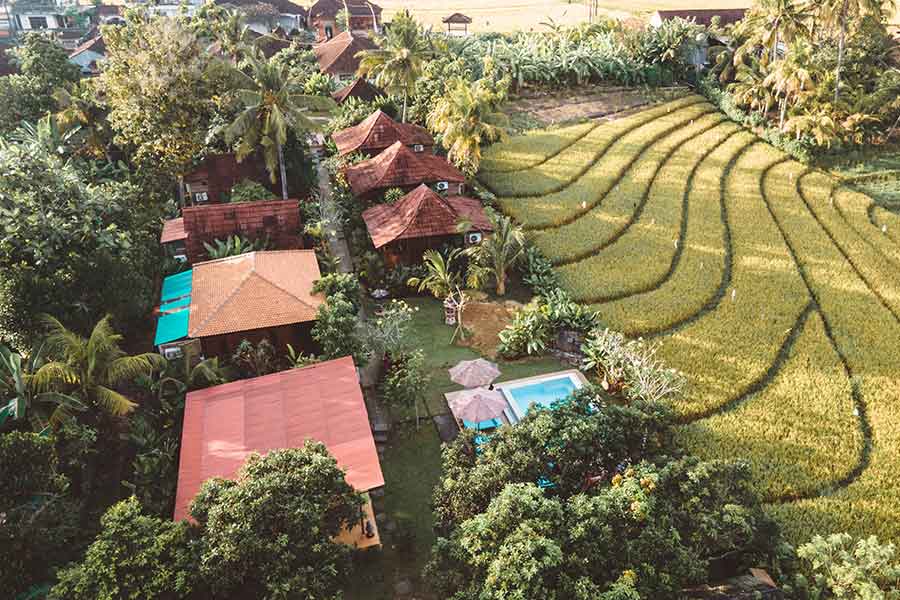
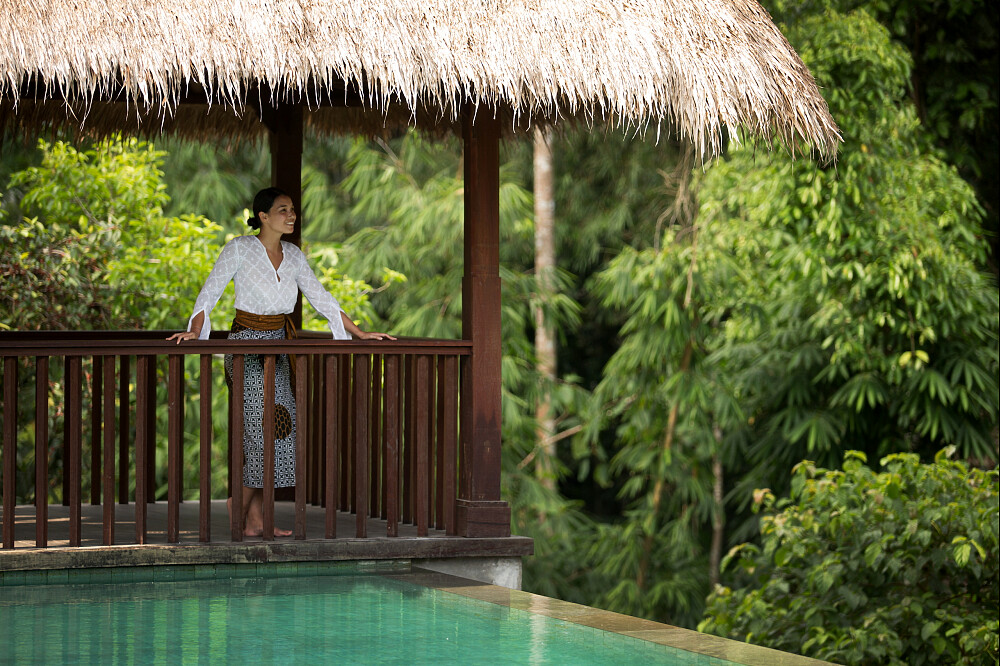
West of Denpasar, the Tabanan regency is greener, flatter and much quieter: rice terraces, black-sand beaches and villages where life is still organised around the temple calendar. Some retreats here are run by or with local families and lean on culture as much as yoga, with offering-making, cooking, rice farming and water blessings at spring temples. Expect a slower pace and little to do in the evening, which for many people is the point.
The north coast, around Lovina and Pemuteran, is a long drive over the mountains from the airport, and the reward is calm water, coral reefs and few crowds. The east, around Sidemen and Amed, looks up at Mount Agung. Both suit longer stays and people who don't mind being far from everything. Nusa Lembongan, a short boat ride off the south-east coast and part of Bali province, is an island within an island, with snorkelling and an easy pace.
When to go
Bali is warm all year, so the choice is between dry and wet. Wikipedia's climate summary describes the west monsoon as running from roughly October to April, with the heaviest rain from December to March, and humidity relatively low outside it. The dry months are the busiest, especially during the European summer holidays and Australia's winter school holidays, so book further ahead for July or August.
The wet season is rarely a washout. Rain often comes in heavy bursts rather than all day, the rice fields are at their greenest, and crowds thin out. It's harder on outdoor plans, though: beach yoga, sunrise hikes and snorkelling trips are the first things to be moved. If a retreat relies on them, ask the host what happens on a wet day.
One date needs checking every year: Nyepi, the Balinese day of silence at the Saka new year, which usually falls in March. For 24 hours from 6 a.m., work, travel and entertainment stop, lights are kept low, nobody is allowed on the streets or beaches, and the island's only airport closes. Visitors stay inside their hotel or retreat. For some people it's the most memorable day of the trip; for others it's a problem if it lands on a travel day. The date moves with the Balinese calendar, so look it up for your year before you book flights.
How long to go for
The summary at the top of this page shows how long the programmes in this guide run, from the shortest to the longest, and the median. The flight decides a lot. From Europe or the Americas, Bali is a long way to go for three days, and the first day or two of any retreat goes on adjusting to the time difference; a week or more lets you arrive properly before it's time to leave.
Short retreats of three or four days make more sense if you're already in Asia, or if you're fitting a retreat into a longer trip around the island. If you're torn between one long retreat and a shorter one plus some travel, think about where you'd go afterwards. A few quiet days in the west or north after a busy stretch in Ubud or the south, or the other way round, shows you two sides of the island without packing and unpacking every other day.
What a Bali retreat tends to include
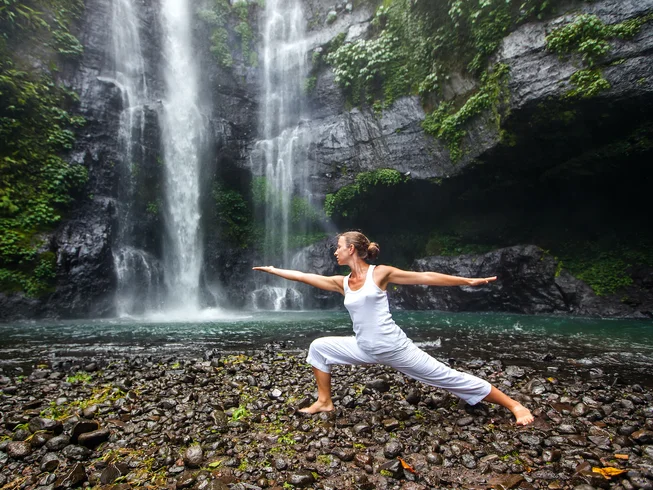
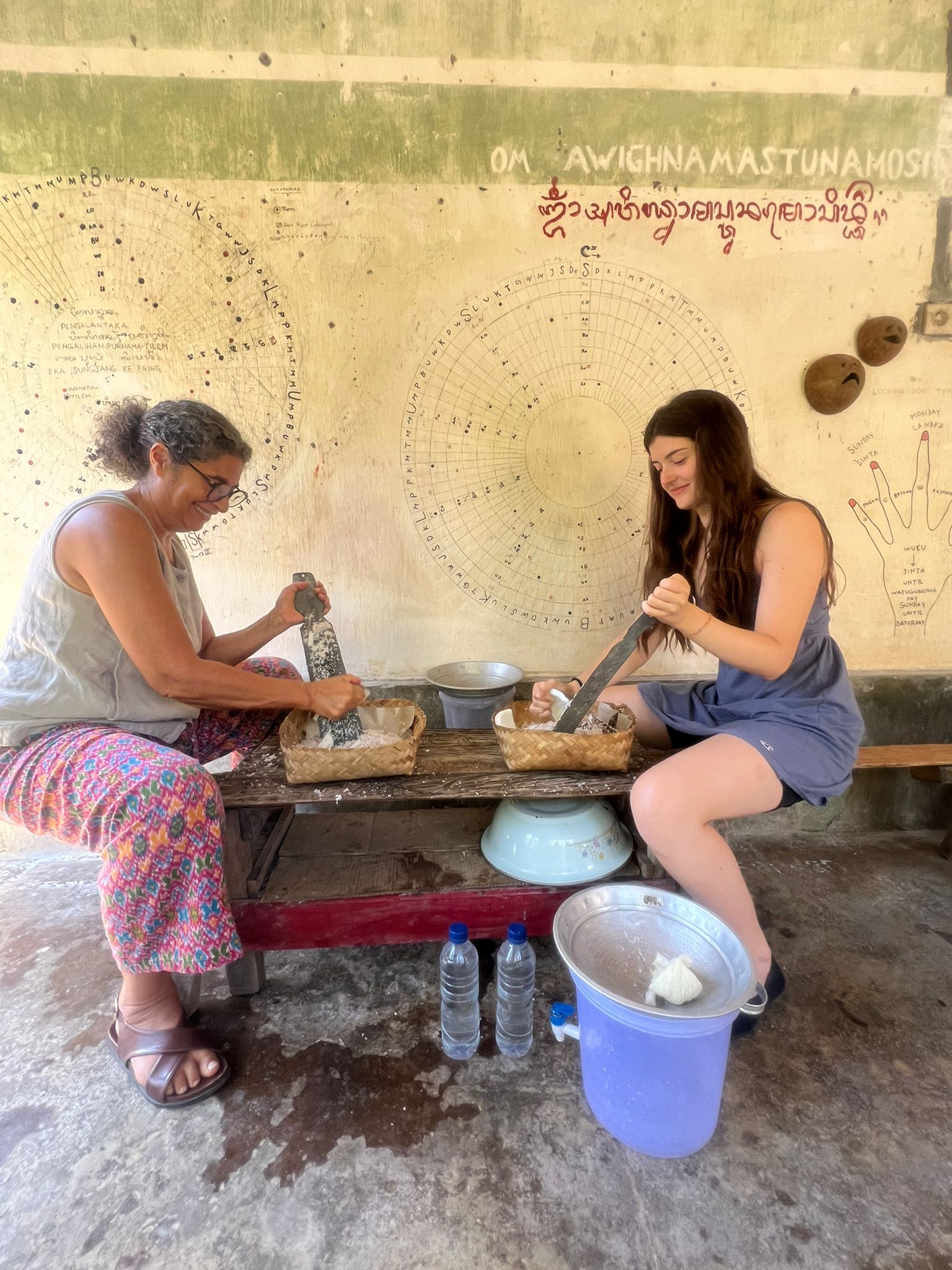
Many Bali retreats sell the island as much as the yoga, and the listings read that way: daily classes, vegetarian or Balinese meals, a spa treatment or two, and cultural outings such as a cooking class, an offering-making workshop, a waterfall walk or a water blessing at a spring temple. The summary at the top of this page counts the items that appear most often in the hosts' own inclusion lists.
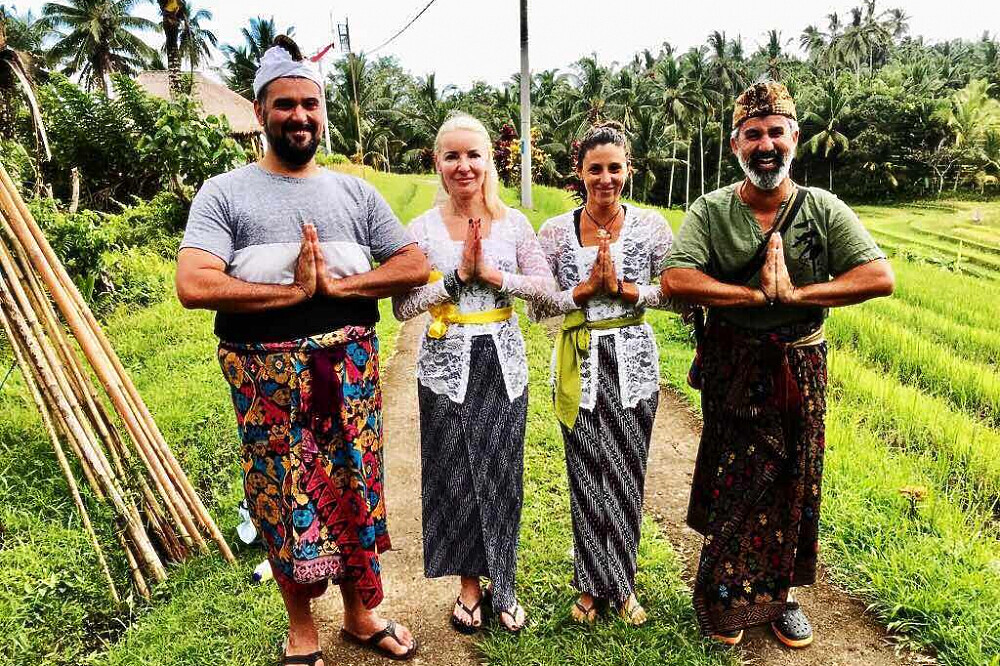
The cultural outings deserve some thought. A water blessing is a religious ritual, not a spa treatment: you'll wear a sarong and sash, follow the lead of a priest or your host, and share the pools with Balinese people who are there to pray. Temples expect shoulders and legs to be covered, and a sarong is easy to buy on arrival if your retreat doesn't provide one.
Things that are often not included: flights, the tourist levy, travel insurance, extra treatments, and on some retreats the airport transfer. Look for the words airport pickup in the inclusions and ask whether it covers both directions.
Teacher trainings in Bali
Bali also has a large teacher-training scene, from short specialist courses to full 200-hour programmes. A training is a very different month from a retreat: long days, homework and assessment, with much less free time. If you're weighing one up, our guide to choosing a yoga teacher training explains what the 200, 300 and 500-hour levels mean and how to check a school's registration. The trainings in this guide are listed below with the hours and length each school gives.
- 13 Day 100 Hour Yin Yoga & Bodywork Teacher Training, Bali100 hours · 13 days · from USD 1,731
- 13 Day 100 Hour Yin Yoga & Sound Healing Teacher Training in Bali100 hours · 13 days · Ubud and the central hills · from USD 1,904
- 20 Day 200 Hr Yin, Sound Healing & Cacao Ceremony Training, Bali200 hours · 20 days · from USD 2,828
- 21 Day 200 Hour Yoga Teacher Training, Permuteran Bali, Indonesia200 hours · 21 days · North and east · from USD 3,600
- 21 Day 200 Hour Yoga Teacher Training in Bali, Indonesia200 hours · 21 days · North and east · from USD 4,000
- 29 Day 200 Hour All Included Functional and Somatic YTT, Bali200 hours · 29 days · South coast: Canggu, Uluwatu, the Bukit · from USD 2,590
Before you fly
Bali charges international visitors a tourist levy, set at IDR 150,000 per person on the provincial government's Love Bali site. That's also where you can pay it in advance and receive the QR voucher that proves you've paid. It's separate from any visa fee.
Visa rules depend on your nationality and change from time to time. Check the Indonesian immigration service's official e-Visa site for the visa that fits your stay, and apply only through official channels.
The airport is in the south, near Denpasar, and traffic there can be slow, so a venue that looks close on the map can be a long ride. Ask the host how long the transfer usually takes and try to arrive in daylight. And leave a quiet day at the end: after a week of early mornings, a slow day before a long flight home is part of the retreat.