What makes a retreat a women's retreat
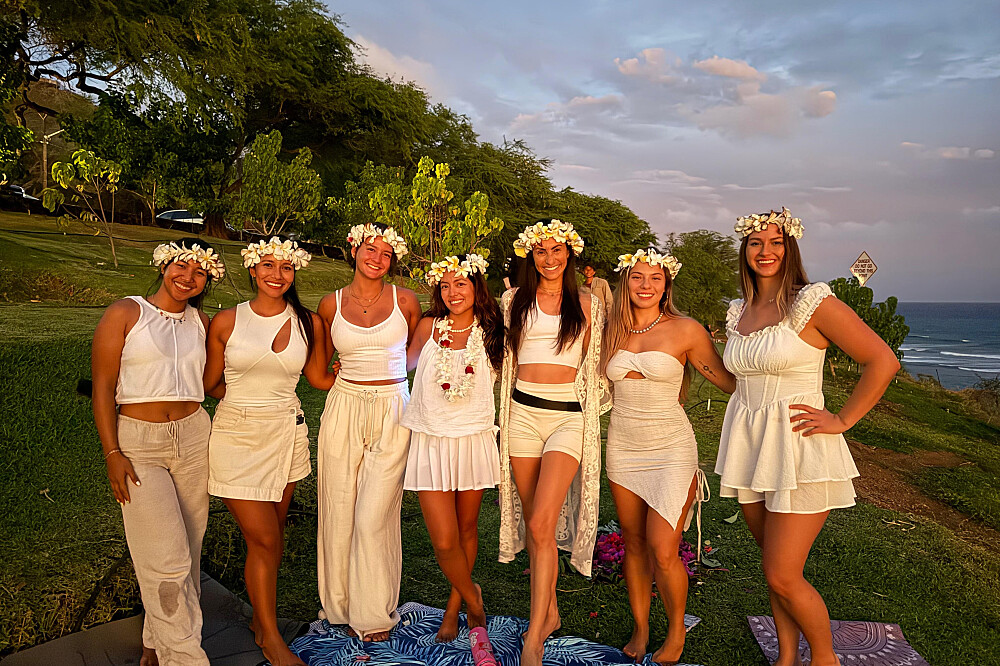
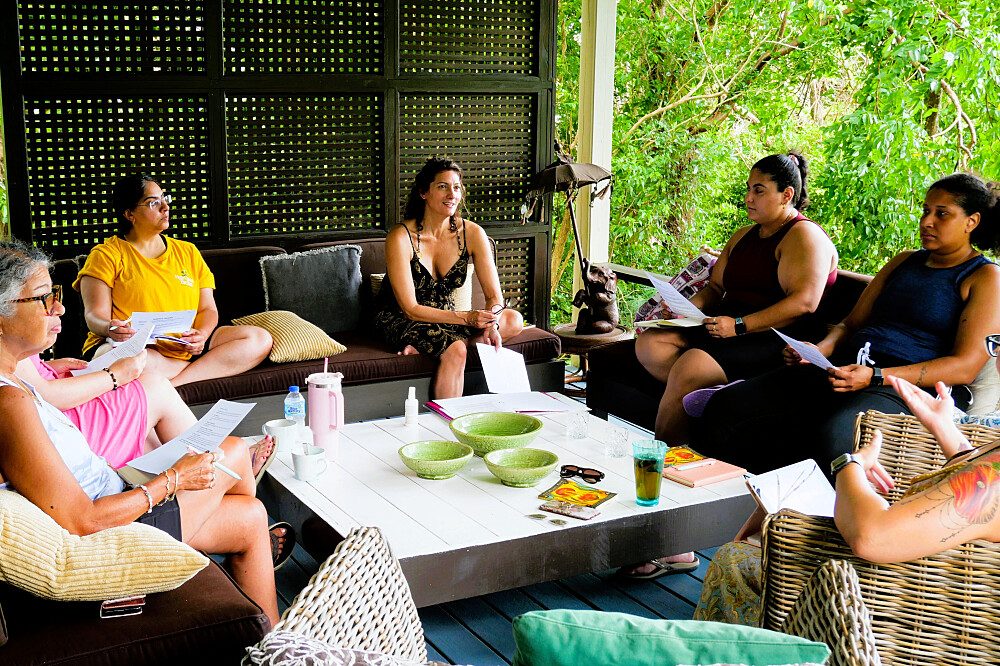
A women's retreat is one where the group is women only. The idea behind it is that some things are easier among women: talking honestly, trying something new with your body, or simply resting without performing for anyone. Hosts design around that, with more time for conversation and circles, practices centred on the body, and a slower social pace than a mixed group usually settles into.
Beyond that, the label covers very different trips. A women's retreat might be a weekend of yoga and sound baths in a cabin a few hours from home, a week of hiking in the mountains, an embodiment workshop built on dance and breath, or a therapy-led programme run by a licensed counsellor. The price, the pace and the kind of person who books each one differ just as much, so the first job is working out which kind you're looking at.
The main kinds
The same handful of elements turns up again and again in women's retreats, alone or in combination. The table below counts how often each one appears in the programmes' own titles and themes, so it shows what hosts lead with rather than every activity on the timetable.
| Kind | Programmes |
|---|---|
| Personal growth and purpose | 10 of 30 |
| Yoga | 9 of 30 |
| Meditation, rest or sound | 7 of 30 |
| Hiking and adventure | 7 of 30 |
| Embodiment, dance or somatic work | 7 of 30 |
| Horses, farms or wild places | 6 of 30 |
| Emotional healing or therapy | 5 of 30 |
One programme can count under more than one kind.
How the kinds differ
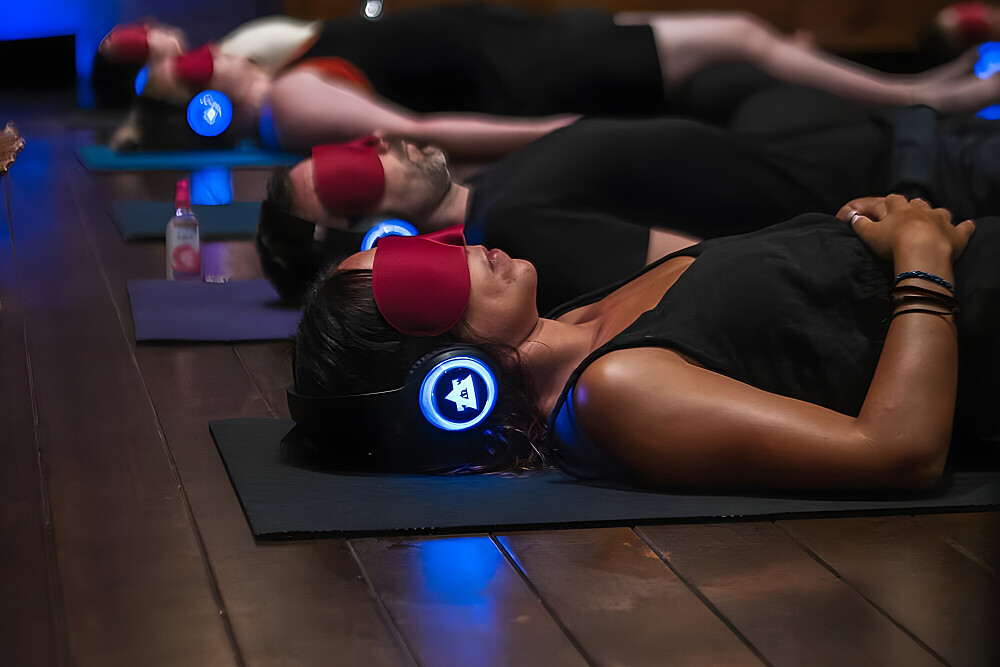
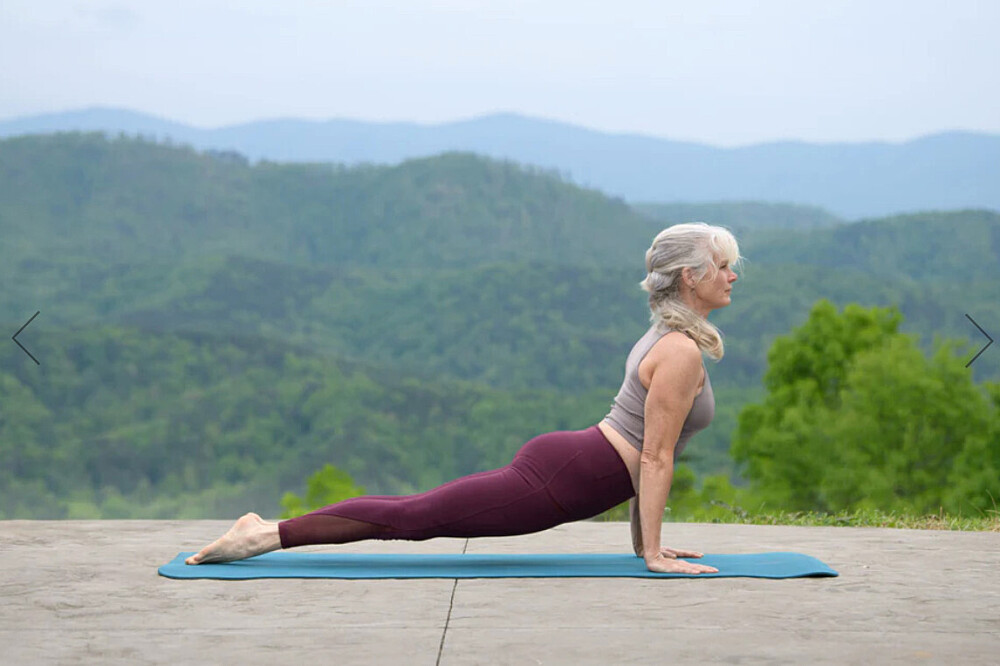
Yoga and meditation retreats are the gentlest way in: a daily practice, good food and plenty of free time, often with journaling or a sharing circle in the evening. They suit a first retreat and any level of experience, as long as the host says which style of yoga you'll be doing.
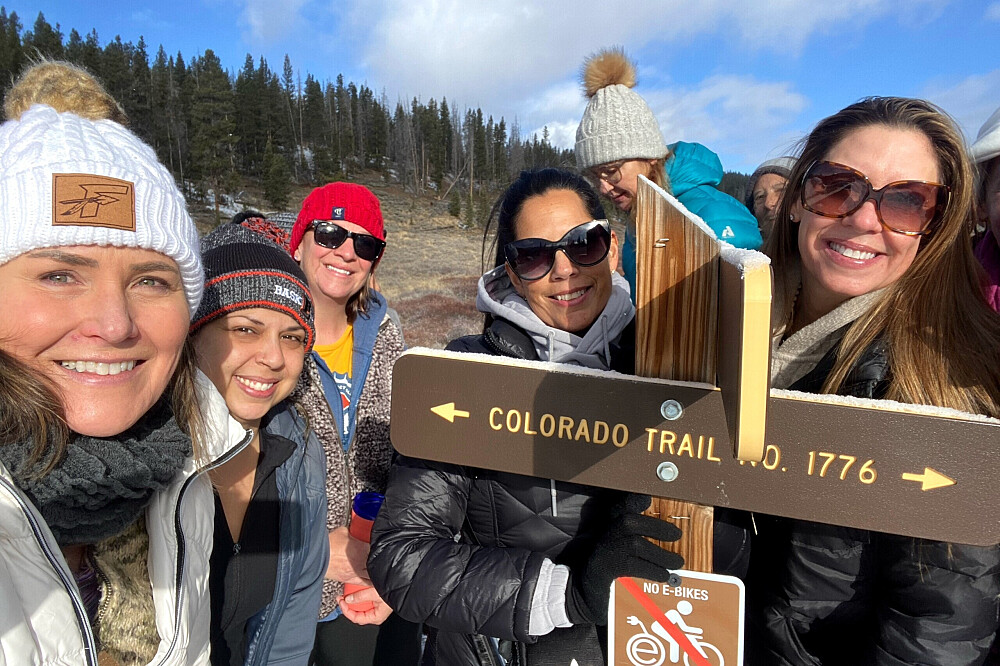
Hiking and adventure retreats trade some of the mat time for long days outdoors. They usually ask for a reasonable level of fitness, so ask for the daily distance, the height gained and the terrain before you book, and be honest with yourself about the answer.
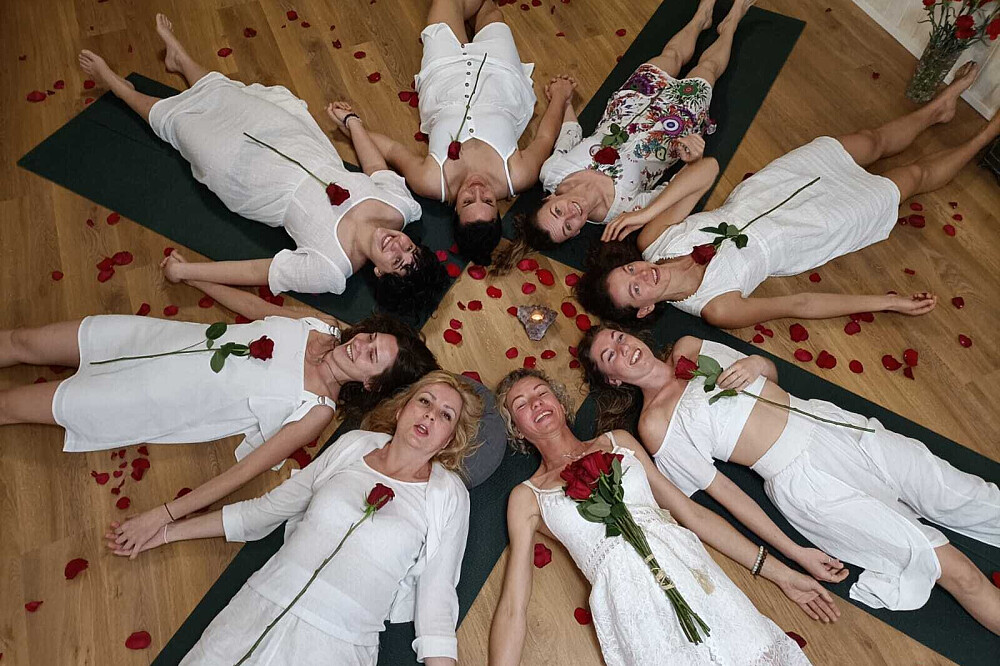
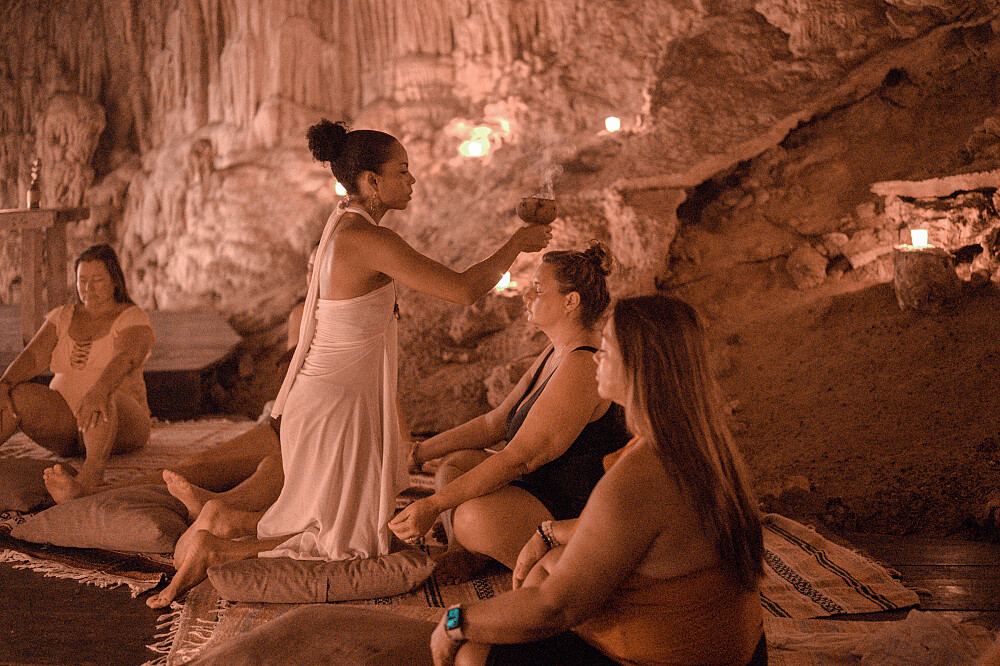
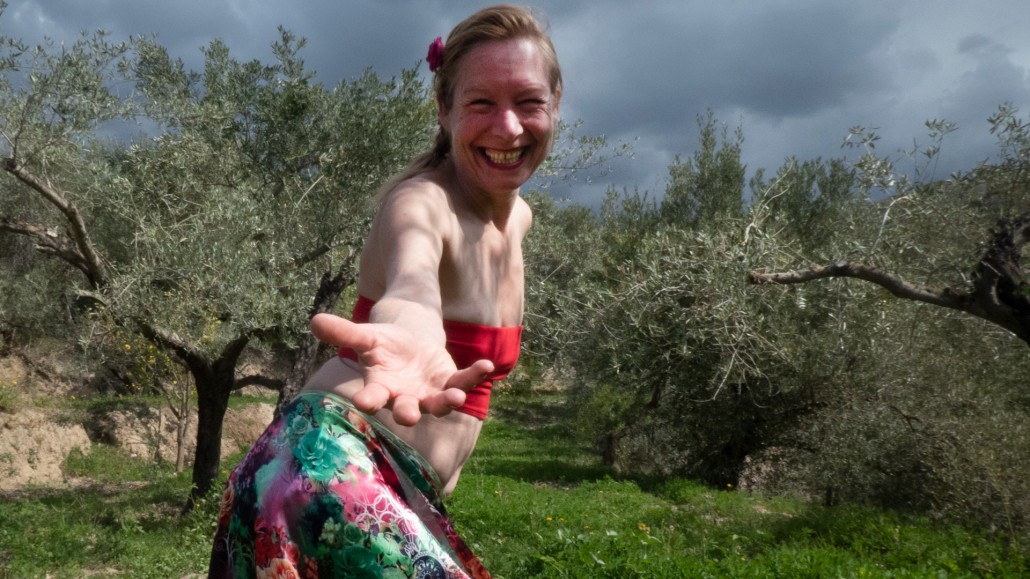
Embodiment, dance and somatic retreats work through movement rather than conversation: free dance, somatic exercises, breathwork and sometimes practices drawn from tantra. They can be powerful and they can be confronting. Read the programme closely and ask what's optional.
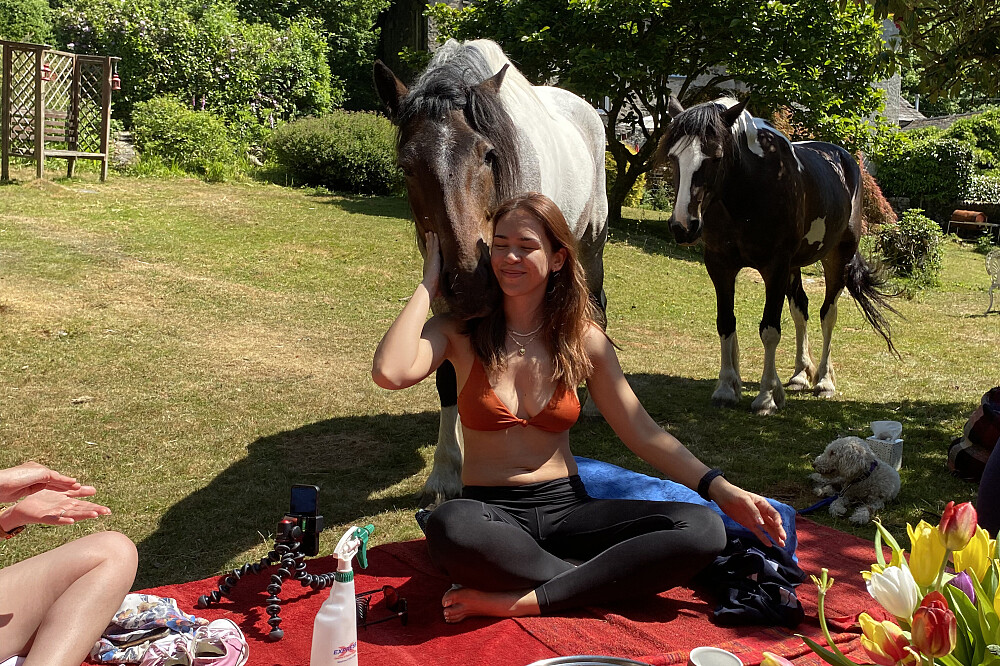
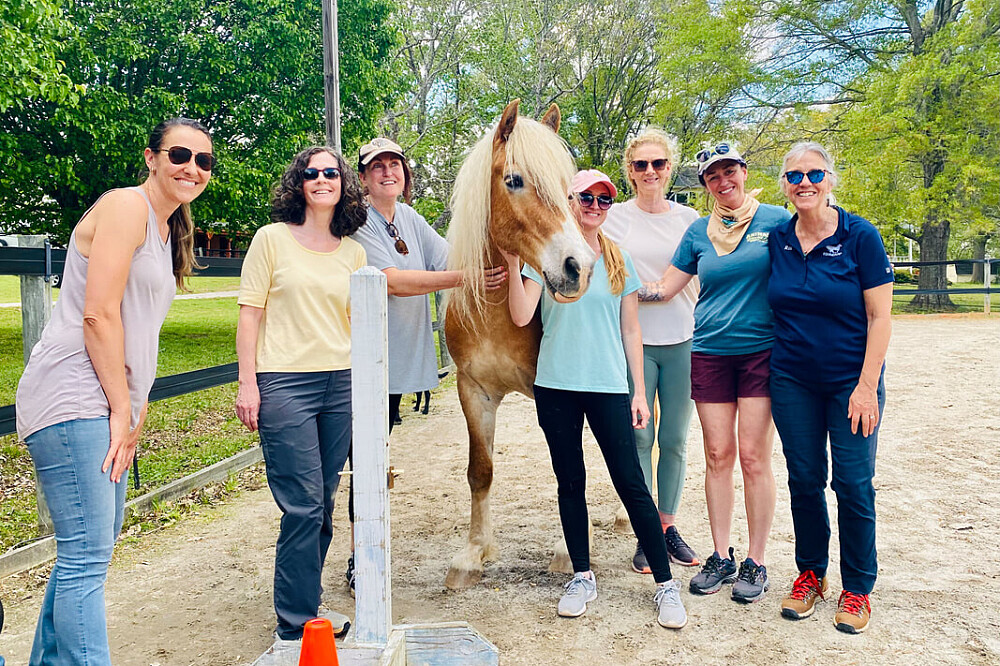
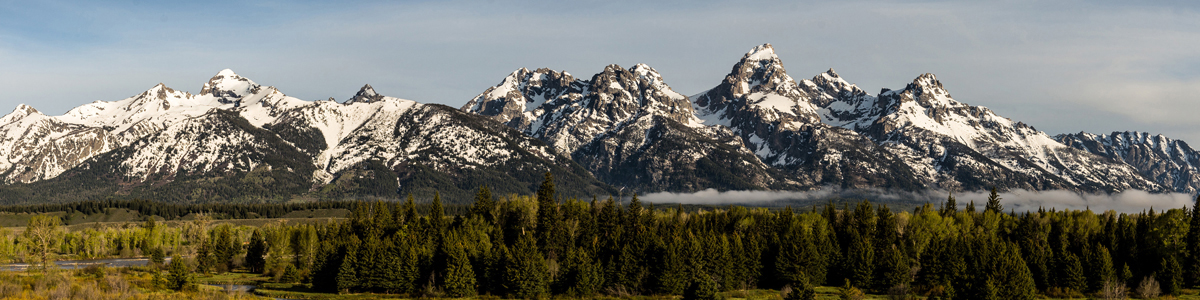
Therapy-led retreats are built around emotional work such as trauma, relationships or burnout. They're the kind where the leader's qualifications matter most, and they're covered in their own section below. Then there are retreats built around a place or an animal, such as horses, a farm or a mountaintop; these tend to be smaller and quieter, and suit women who want time outdoors more than a full timetable.
How long they run, and what they cost
Many women's retreats are short. Long weekends and five-day stays are common, designed to fit around work and family, and the summary at the top of this page gives the actual range and median for the programmes listed here. A short retreat is easier to say yes to; a longer one gives you time to arrive properly before it's time to leave.
Prices spread widely, and length is only part of the reason. The bigger differences come from the setting, such as a shared room in a farmhouse against a private room in a lodge, from how many leaders there are for each guest, and from what's included. An adventure trip with guides, transport and permits costs far more per day than a yoga weekend. Private and one-to-one formats, where a single guest has the leader's whole attention, cost more per person than a place in a group.
Compare like with like: price per night, the room, the meals, and which activities are included rather than offered as extras. And check the deposit terms and what happens if the retreat doesn't reach its minimum group size.
Who leads it
The leader matters more on a women's retreat than on most, because the group is usually small and the work is often personal. Look for a named leader with a clear background: a yoga teacher's training, a guide's certifications, a coach's or counsellor's qualifications. A leader who has run the same retreat several times has handled the difficult moments before.
If a retreat offers therapy, ask who delivers it, what licence they hold, and where they're licensed to practise, especially if the retreat is in another country. Some listings describe a retreat as trauma-informed. On its own the phrase is not a licence or a qualification, but it does come from a real framework: US public-health guidance on a trauma-informed approach sets out six principles, including safety, trustworthiness and transparency, and empowerment, voice and choice. A leader who uses the phrase should be able to tell you what it changes in practice: what's optional, how the group is kept safe, and what happens if someone becomes distressed.
A retreat is not a substitute for care from a qualified professional. If you're being treated for anything, talk to your own clinician before you book a programme built around emotional work.
Where they run
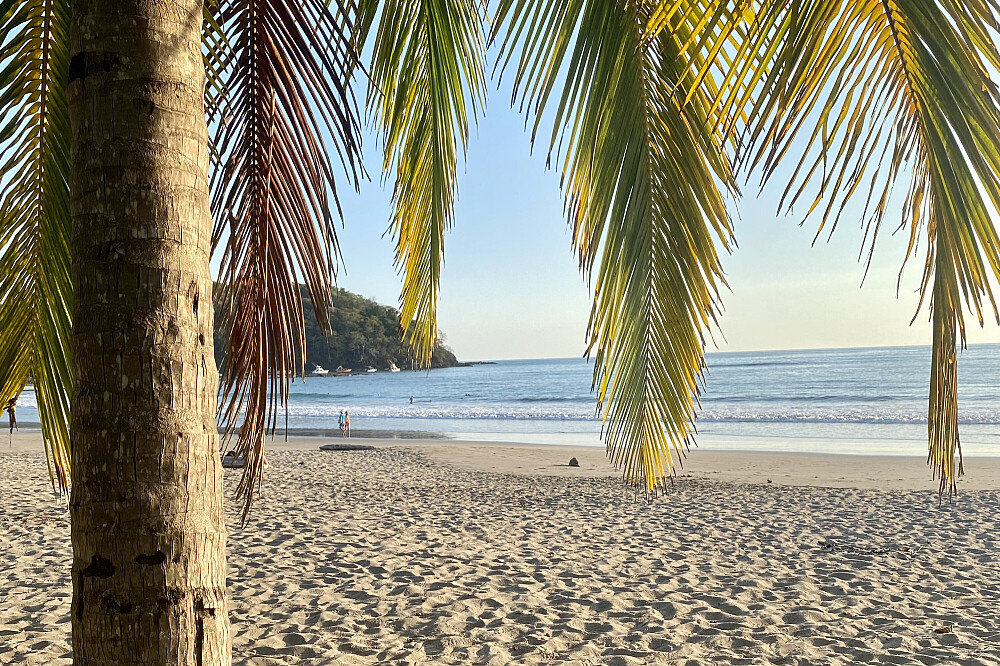
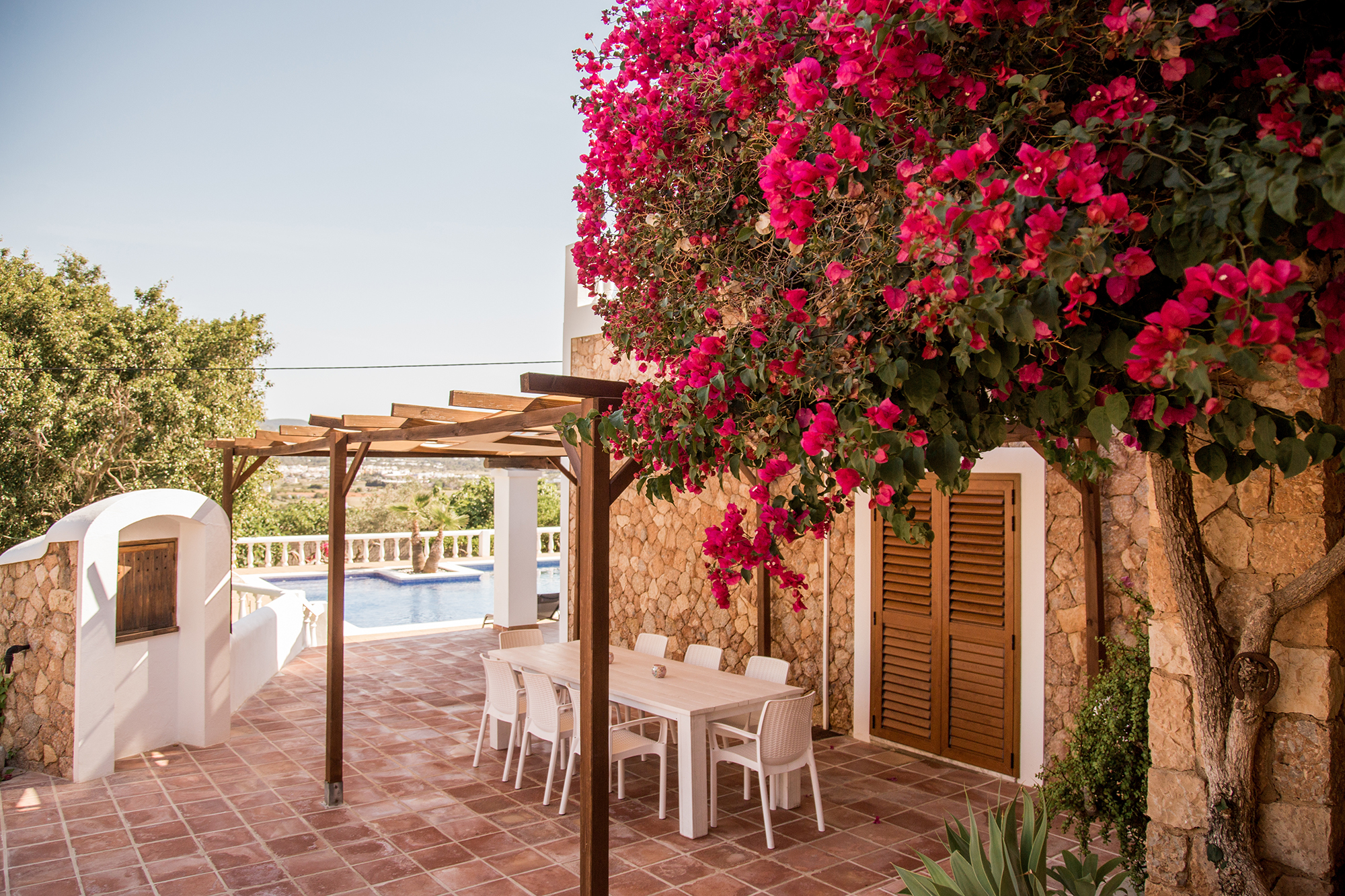
Women's retreats split roughly into two kinds of trip: short retreats within reach of home, and destination retreats that double as a holiday. The first are cheaper and easier to fit in. The second give you more distance from daily life, and add flights, time zones and the cost of getting there. The table below groups the programmes in this guide by country.
| Country | Programmes | Length | From-price (US$) |
|---|---|---|---|
| United States | 12 | 3–8 days | US$399 – US$3,599 |
| Spain | 7 | 4–7 days | US$925 – US$2,317 |
| Costa Rica | 2 | 5–7 days | US$1,950 – US$3,500 |
| United Kingdom | 2 | 4 days | US$530 – US$3,271 |
| Barbados | 1 | 6 days | US$3,900 |
| Bhutan | 1 | 11 days | US$7,990 |
| Mexico | 1 | 6 days | US$3,333 |
| Morocco | 1 | 7 days | US$2,078 |
| Mozambique | 1 | 8 days | US$2,450 |
| Peru | 1 | 8 days | US$4,850 |
| Portugal | 1 | 5 days | US$2,020 |
Travelling to a retreat on your own
Travelling alone to a retreat abroad is part of the appeal for many women, and it pays to prepare. The UK government's advice for women travelling abroad recommends researching your destination and its local culture, checking that any health care you might need is available there, and taking out travel insurance that covers medical emergencies.
Ask the host whether the airport transfer is included and whether they can put you in touch with other guests arriving the same day. Share your plans and the venue's address with someone at home, and keep the host's phone number somewhere other than your phone.
Age, stage of life, and rooms
Some women's retreats are aimed at a particular age or stage of life: women over forty, new mothers, women approaching menopause, or women going through a divorce or a bereavement. A retreat pitched at your stage gives you a group that shares some of your circumstances and a leader who has planned for them. If a listing doesn't say, ask what the usual age range is. A group in its twenties and a group in its fifties make for very different weeks.
Ask early about rooms, too. Shared rooms keep the price down and suit some women well; others need a door of their own to rest properly. Check whether the from-price on a listing is for a shared room, what a room of your own costs on top, and whether the bathroom is shared. On a short retreat, a bad night's sleep is a large part of the time you've paid for.
Is a women's retreat right for you?
It suits you if you want company without having to manage it: a small group of strangers who are there for the same reason, with a leader who sets the tone. It suits women at a turning point, such as a new decade, a loss, a change of work or the end of a relationship, who want a few days to think it through with some structure around them. And it suits anyone who simply wants to rest without looking after anyone else.
It's less right if you dislike sharing in a group, since many women's retreats include some kind of circle. Ask how much of the programme is group work and whether you can sit parts of it out. If you're going with a friend, ask whether you can share a room, and think about whether you want to; some women get more from a retreat on their own.
Questions to ask before you book
- Who leads it, what's their training, and who else is on the team?
- How many women are in the group, and what's the usual age range?
- How much of each day is scheduled, and what's optional?
- Is there therapy or emotional work, and who delivers it?
- What's the room arrangement, and is there a supplement for a room of your own?
- What's included, and what will you pay for on the day?
- What level of fitness do you need, and what happens if you can't keep up?
- What's the deposit, and what happens if the retreat is cancelled or doesn't fill?
A good host is glad to be asked, and the answers tell you as much about the atmosphere of the retreat as any photo.