The shape of a Greek yoga week
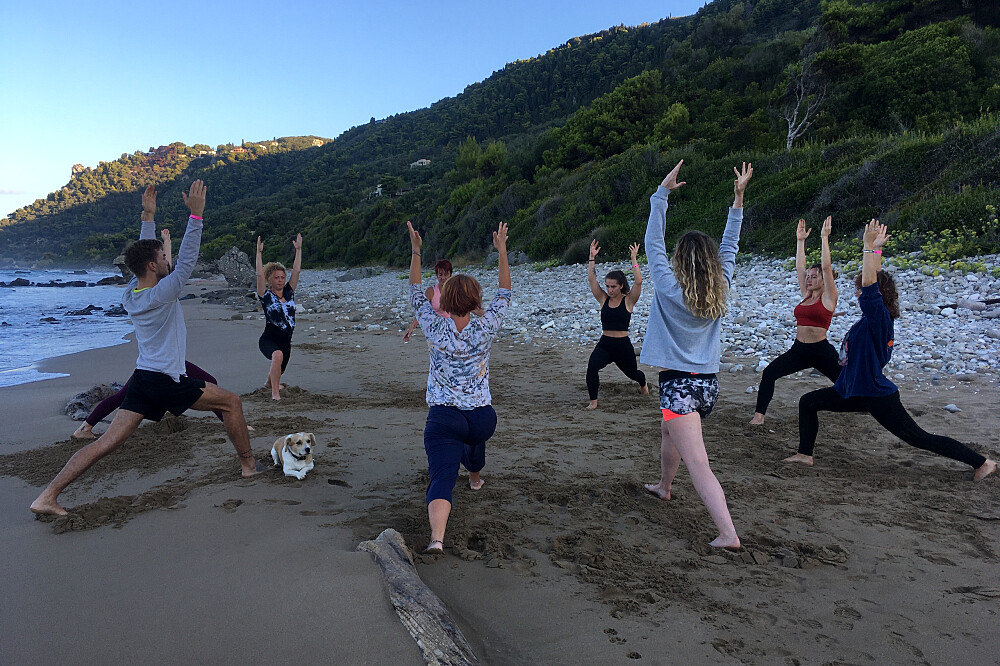
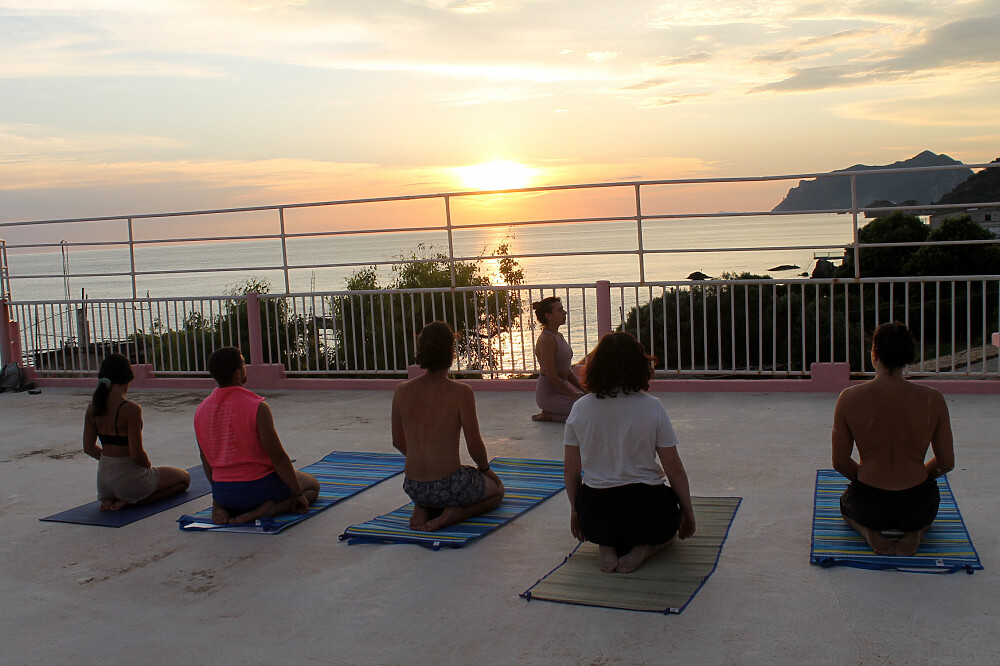
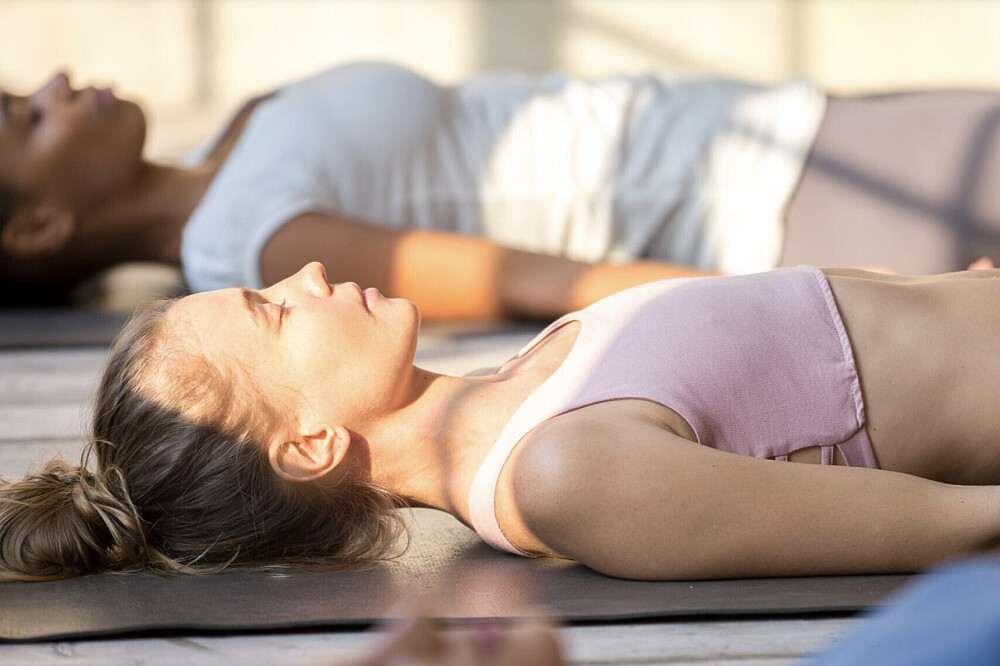
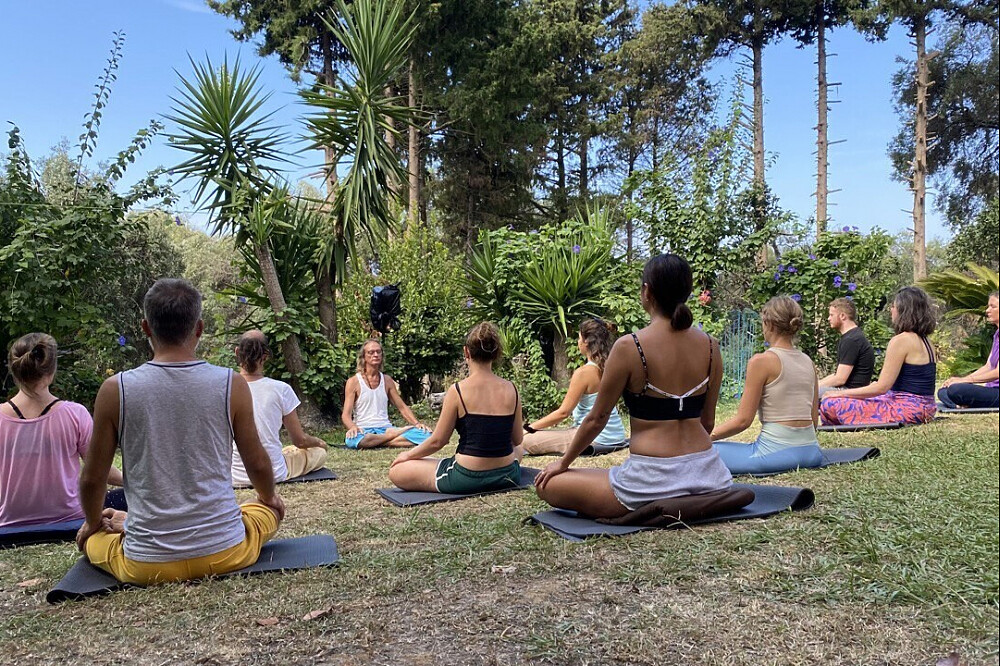
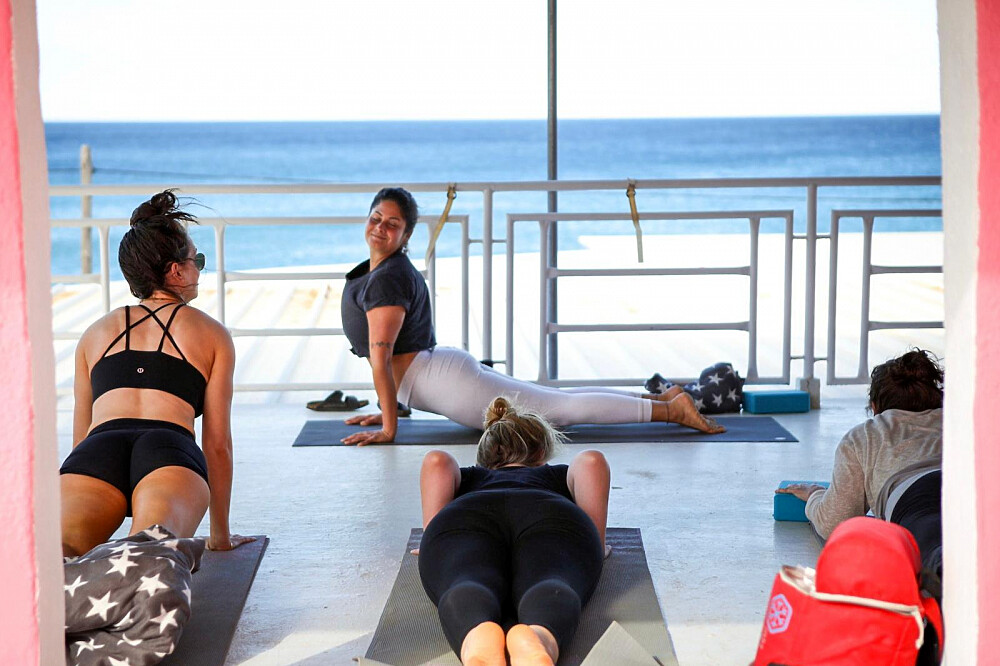
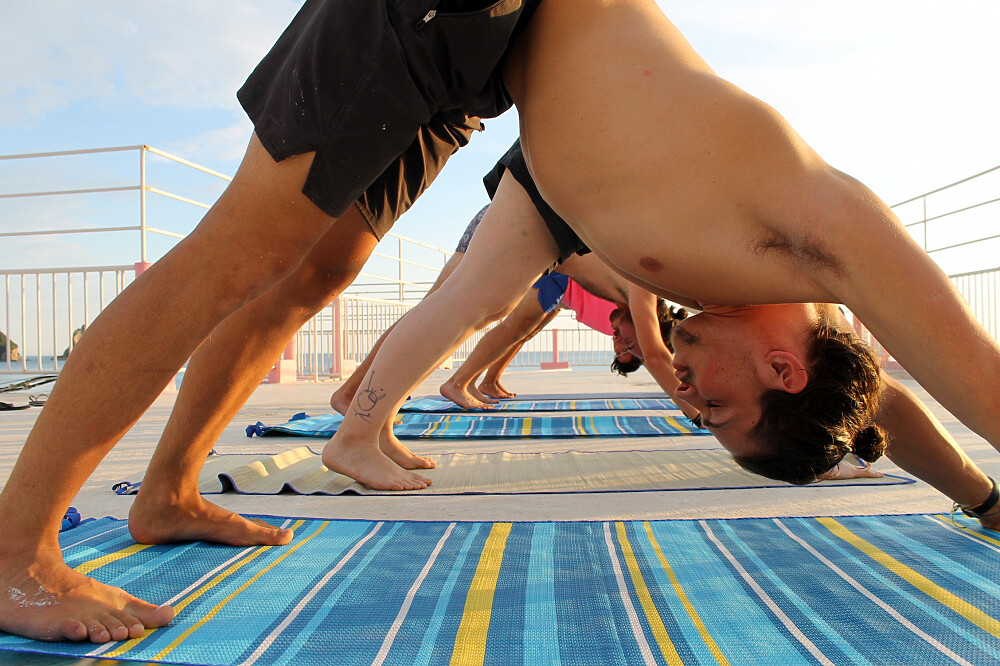
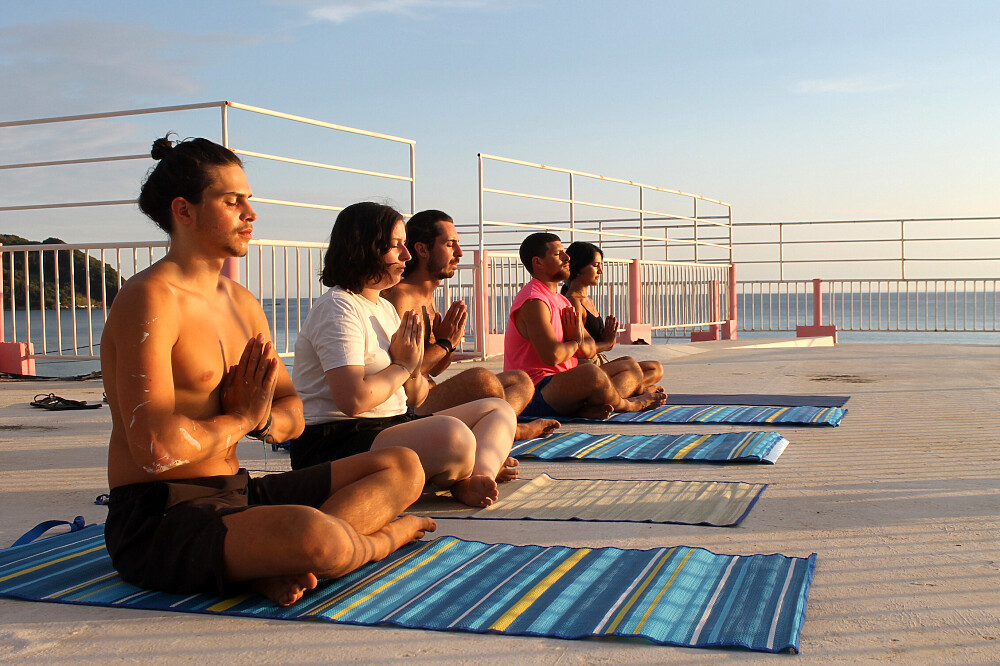
Most yoga retreats in Greece are built around a week, and many run from one weekend to the next to fit the charter flights and ferry timetables of the islands. The rhythm is familiar: a longer, more active class in the morning, a slower one such as yin, restorative yoga or yoga nidra in the early evening, and the hours in between left for the sea, a walk or a long lunch. Hosts often call these weeks yoga holidays rather than retreats, and the name is honest: the setting is half the point.
That makes Greece a good choice for a first retreat, a holiday with a friend or partner who practises less than you do, or a week of yoga that still feels like summer. It's a less obvious choice if you want a strict, silent or highly technical programme. Those exist too, in the mountains especially, so read the timetable rather than the photos to find out which kind of week you're looking at.
Islands or mountains?
The first decision is the landscape. An island week is about light, sea and slow afternoons; a week in the mountains of Pelion or on the slopes of Olympus trades the beach for forest paths, cooler nights and villages that empty out after dark. Both have their devotees, and the table shows where the programmes in this guide are, using the area each listing names.
| Area | Programmes | Length | From-price (US$) |
|---|---|---|---|
| Corfu and the Ionian islands | 10 | 5–8 days | US$381 – US$885 |
| Evia, Pelion and Mount Olympus | 4 | 7–11 days | US$1,155 – US$3,411 |
| Other areas: Kos, Rhodes and the Dodecanese · Lesvos and the north-east Aegean · Mykonos and the Cyclades · Elsewhere on the mainland | 5 | 8–23 days | US$883 – US$3,200 |
Corfu and the Ionian
Corfu, off the north-west coast, is the greenest of the well-known islands, because the Ionian side of Greece catches far more winter rain than the Aegean. Olive groves and cypress run down to the sea, and the west coast has long sandy bays and sunsets over open water. It's also one of the easiest islands to reach, with an airport that takes direct flights from much of Europe in season, which helps if you only have a week.
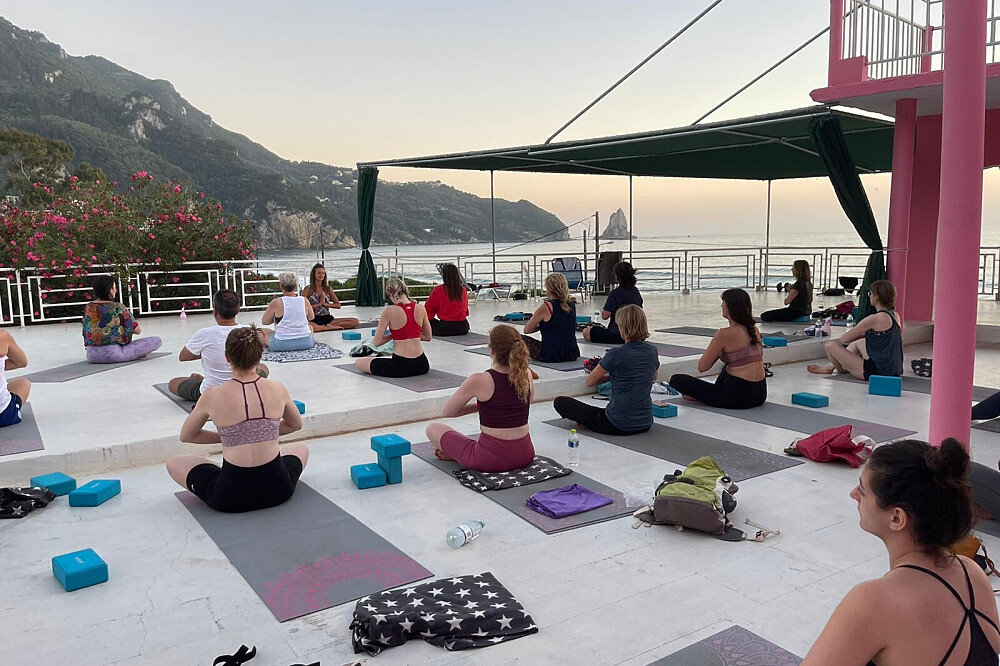
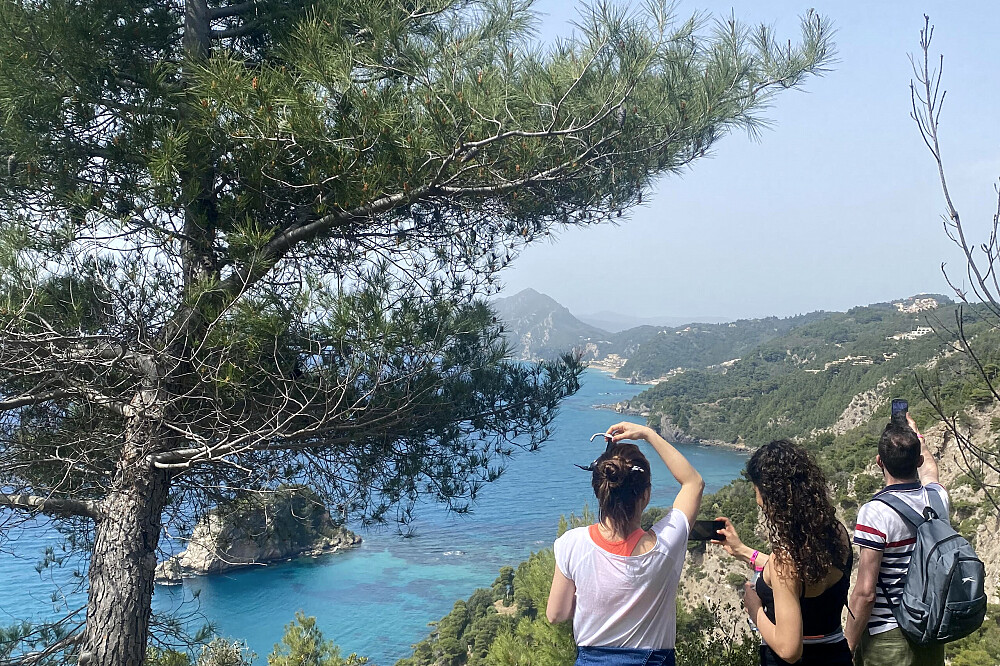
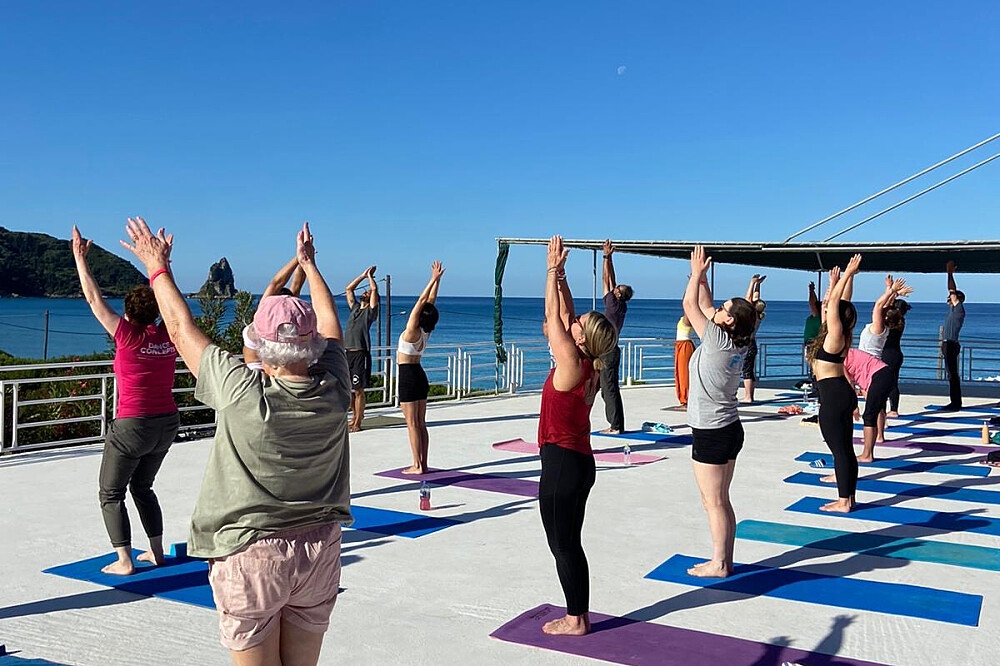
Retreats on Corfu range from beach-town hotels with a yoga shala on the roof to quiet villas in the hills of the north-west. Many add sea kayaking, paddleboarding, coastal walks or a trip to Corfu Town, whose Venetian old quarter is worth an afternoon. If quiet matters to you, ask how close the venue is to the nearest bars, because some of the island's beach resorts are lively in high summer.
Kos, Lesvos and the Aegean islands
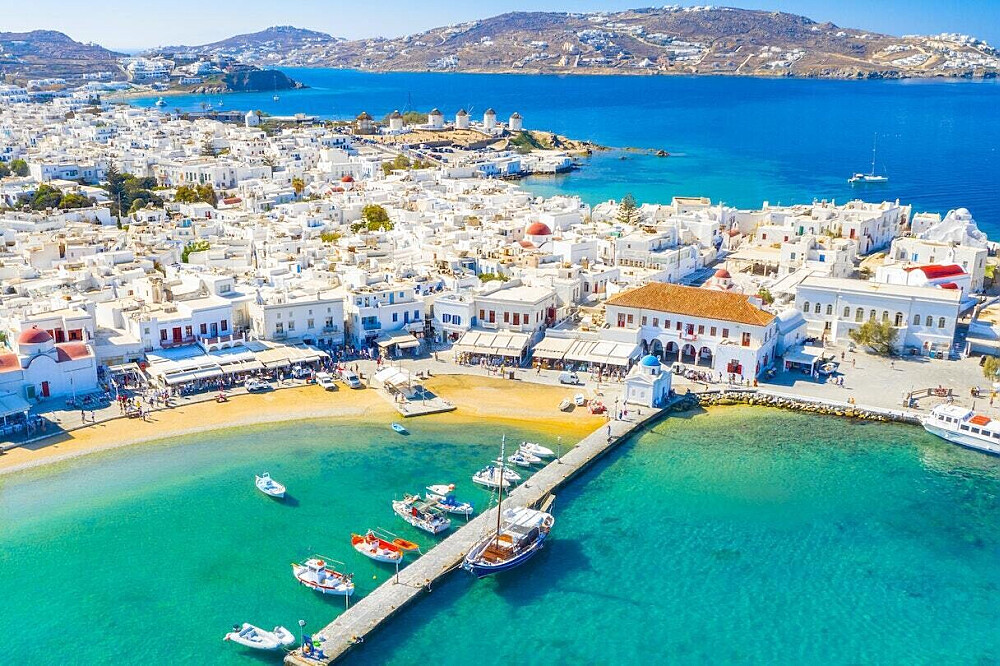
The Aegean islands are drier, brighter and windier. Kos, in the Dodecanese close to the Turkish coast, is relatively flat, with long beaches and easy cycling. Lesvos, much larger and further north, is a world of olive groves, hot springs and fishing villages, with a slower pace and fewer package tourists than the famous names. Mykonos and the rest of the Cyclades offer the classic white-and-blue picture, at a price, and with company.
On all of them, plan around the wind. The meltemi, the strong, dry northerly that blows across the Aegean in summer, runs from about mid-May to mid-September, is usually at its strongest in the afternoon, and can last for days at a time. It keeps the heat bearable, but it also cancels boat trips, whips sand across beaches and makes outdoor classes on an exposed terrace hard work. Ask the host where classes move on a windy day.
Evia, Pelion and Mount Olympus
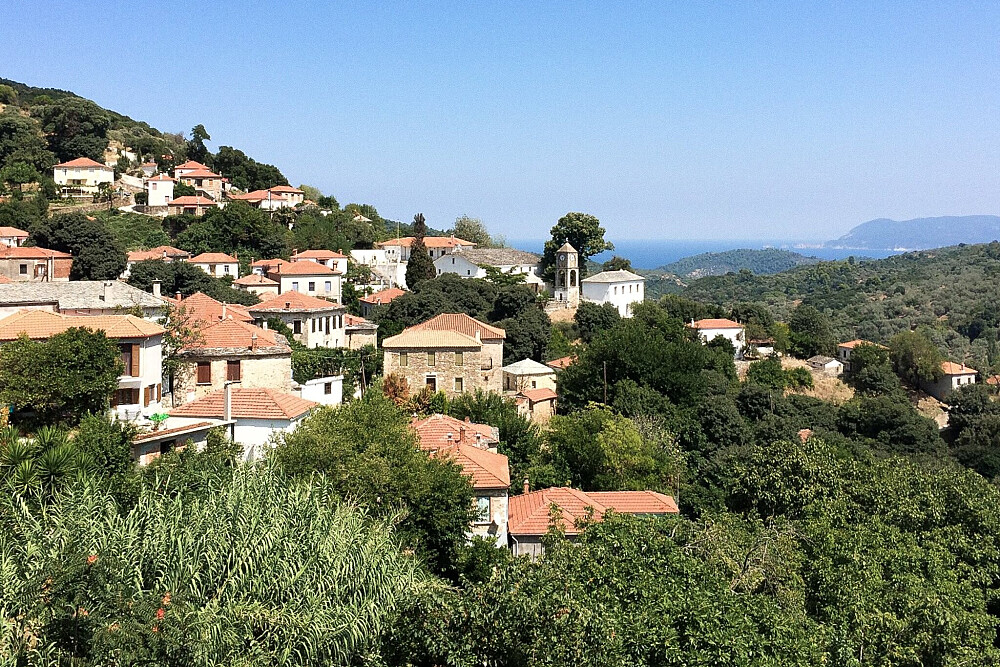
Some of the most interesting retreats in Greece are not on the classic islands at all. Evia, the second-largest Greek island, is joined to the mainland by bridges at Chalcis, so you can reach it by road from Athens airport, and much of it is rural and quiet. Pelion, the wooded mountain peninsula above the city of Volos, has stone villages, mule paths and beaches on both coasts, and suits people who want to walk as much as practise.
Further north, Mount Olympus, the highest mountain in Greece and a national park since 1938, rises behind the town of Litochoro, the usual starting point for the trails. A retreat in the foothills suits a more inward week than the beach does: yoga nidra, meditation and philosophy, with the mountain as a backdrop rather than an activity. Nights are cooler there than on the coast, so pack a warm layer even in summer.
When to go
The retreat season follows the tourist season, from late spring to October, and most programmes stop over the winter. June and September are the sweet spots: the sea is warm, the days are long and the crowds and prices are lower than in July and August, when the heat in the middle of the day is fierce and many venues schedule classes early and late to avoid it.
Late spring is the best time for walking and wild flowers, especially in the mountains, but the sea is still cool for swimming. October can be lovely and quiet, with warm water, though the days shorten and some island flights and ferries have already moved to their winter timetables. Whatever the month, check the transport for your exact dates before you book the retreat.
What a week includes, and what it costs
A typical Greek yoga week includes the room, two classes on most days, breakfast and often dinner, and a handful of outings: a guided walk, a boat or kayak trip, a visit to a village or an old town. Days off are common midweek. Some retreats include airport transfers; others leave you to find a taxi or a bus, so read each programme's inclusions closely.
Prices depend mainly on the room and the setting. A shared or simple room in a family-run guesthouse sits at the lower end; a private room with a sea view, or a week on one of the famous islands, can cost far more. The table below shows how long the programmes in this guide run and what they start at. Greece also has longer formats, from specialist trainings to 200-hour teacher training courses, which our guide to choosing a yoga teacher training explains.
| Length | Programmes | From-price (US$) | Where |
|---|---|---|---|
| 5 to 7 days | 4 | US$461 – US$3,411 | Corfu and the Ionian islands · Evia, Pelion and Mount Olympus |
| 8 to 13 days | 14 | US$381 – US$3,200 | Corfu and the Ionian islands · Evia, Pelion and Mount Olympus · Kos, Rhodes and the Dodecanese · Lesvos and the north-east Aegean · Mykonos and the Cyclades |
| 14 days or more | — | US$2,060 | Elsewhere on the mainland |
Before you book flights
Check how you'll get from the airport to the venue, and how long it takes. Island retreats can involve a flight to a neighbouring island and a ferry, and mainland retreats in the mountains can be a long drive from the nearest airport. Ask the host whether a transfer is included, whether it runs at any hour, and what happens if a ferry is cancelled for wind.
Ask about the practice space, too. An outdoor shala with a view is wonderful at seven in the morning and much less so at midday in August; find out whether there's shade, a covered space for wind or rain, and mats and props. And tell the teacher about any injury or health condition before the week starts. The US National Center for Complementary and Integrative Health advises practising under a qualified instructor and talking to both your own doctor and the instructor about any condition you're managing.
Questions to ask the host
- What style of yoga is taught, at what level, and by whom on your dates?
- How many classes are there each day, and which days are free?
- Which meals are included, and can the kitchen handle a special diet?
- Is the room shared or private, and is there air conditioning or a fan?
- Where are classes held when it's windy, very hot or raining?
- Are the airport transfer and any boat trips or excursions included?
- How many people are usually in the group?
- What are the deposit and cancellation terms?
A good host answers quickly and specifically, and the answers will tell you as much about the week as the pictures do.