What a day on a meditation retreat looks like
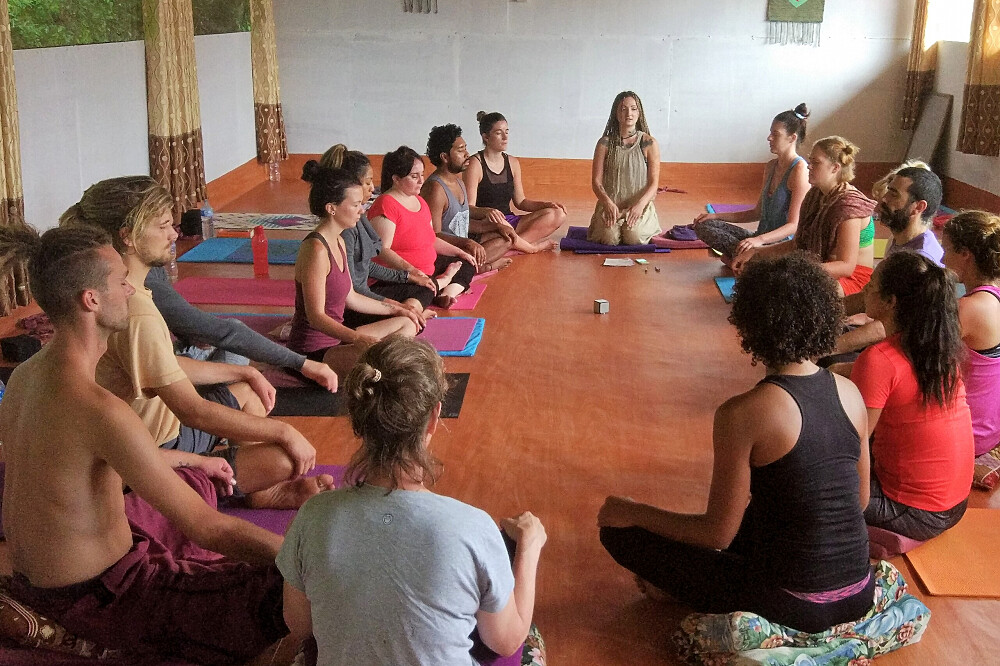
A meditation retreat swaps the ten minutes you might manage at home for whole days built around practice. The shape is similar almost everywhere: an early start, a first sitting before breakfast, then blocks of seated meditation broken up by walking meditation, meals, a rest after lunch and, in most traditions, a talk or a question session in the late afternoon or evening. Lights go out early, and the next day starts the same way.
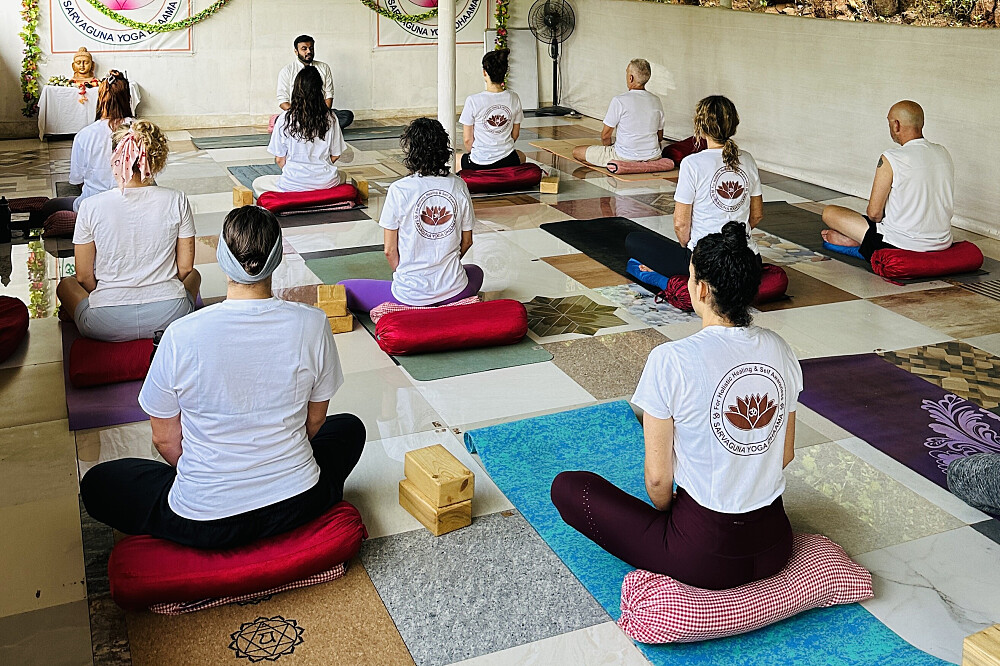
What changes from one retreat to the next is the ratio. A strict retreat may schedule ten or more hours of formal practice a day, with nothing else to do between sessions. A gentler one might hold three or four sittings and fill the rest with yoga, walks, rest and conversation over meals. Neither is better. They're built for different people, and the timetable tells you which one you're looking at faster than the photos do, so ask for it before you book.
Some retreats, especially donation-run centres, also ask for some practical help: washing up, chopping vegetables or sweeping a hall for half an hour a day. It's treated as part of the practice rather than a chore, and it's worth knowing about before you arrive.
The main traditions, and how they differ
Vipassana, usually translated as insight meditation, and samatha, calm or concentration practice, come from the Theravada Buddhism of South and Southeast Asia. Many retreats teach both: steadying attention on the breath first, then watching sensations and thoughts arise and pass. One of the best-known formats in the West is the 10-day course in the tradition of S. N. Goenka, whose code of discipline sets out a timetable that starts with a 4 a.m. wake-up bell.
Zen retreats are called sesshin. As Wikipedia describes them, they are periods of intensive zazen, often one, three, five or seven days long, with sitting periods of 30 to 40 minutes separated by short spells of walking meditation (kinhin), work periods and short nights. Expect ritual, bowing and chanting, and a teacher you meet one to one.
Mindfulness retreats are the secular branch. Much of their language comes from mindfulness-based stress reduction, an eight-week course that began at the University of Massachusetts Medical Center in 1979 and includes a day-long practice session, often held in silence. A mindfulness retreat borrows the techniques without the religious setting, and tends to mix sitting with guided body scans, mindful walking and group discussion.
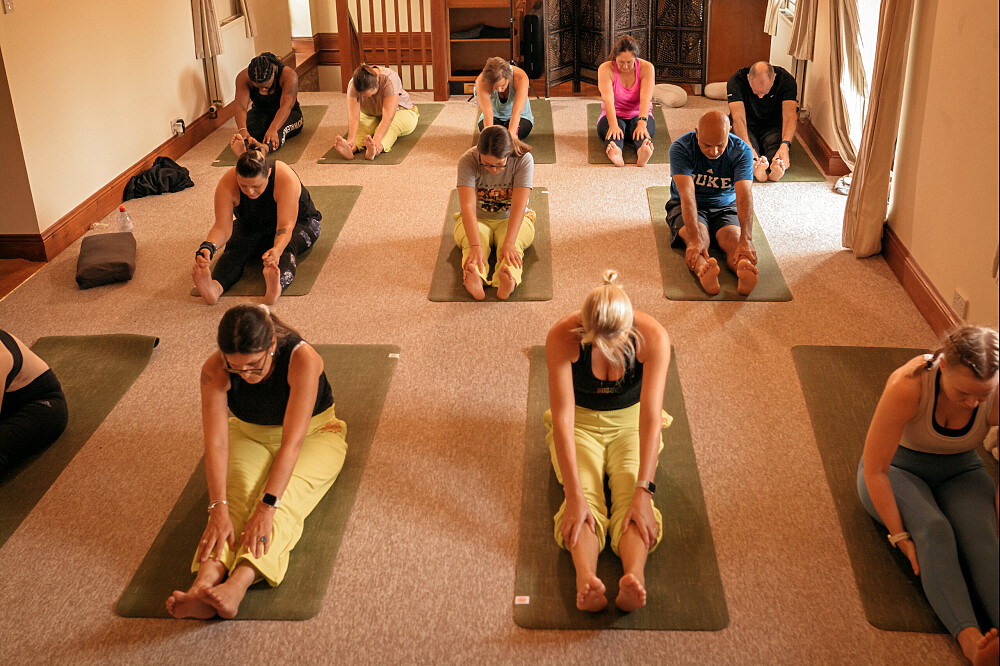
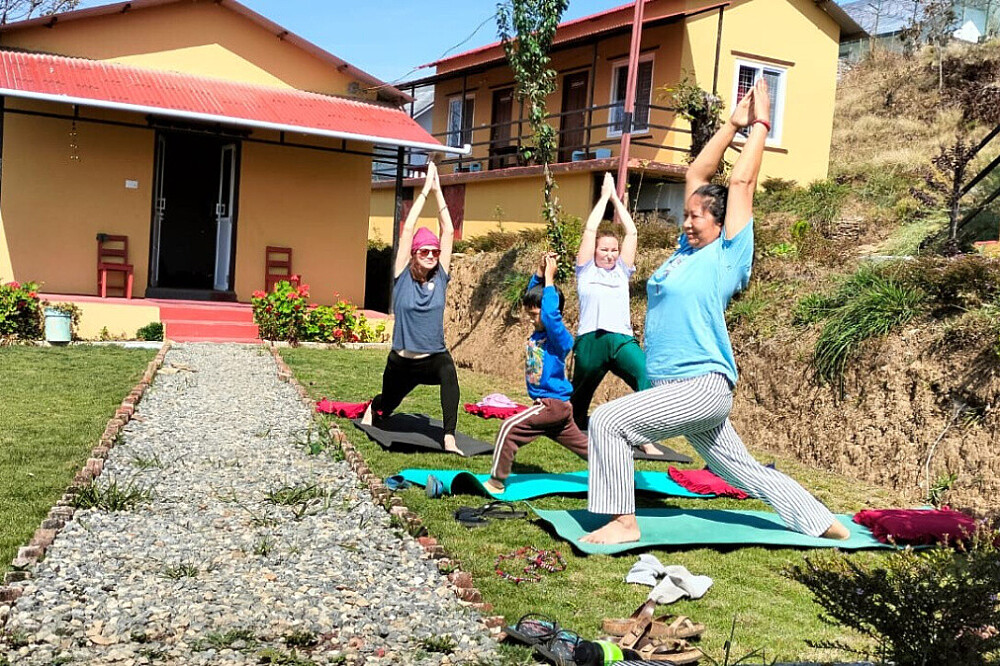
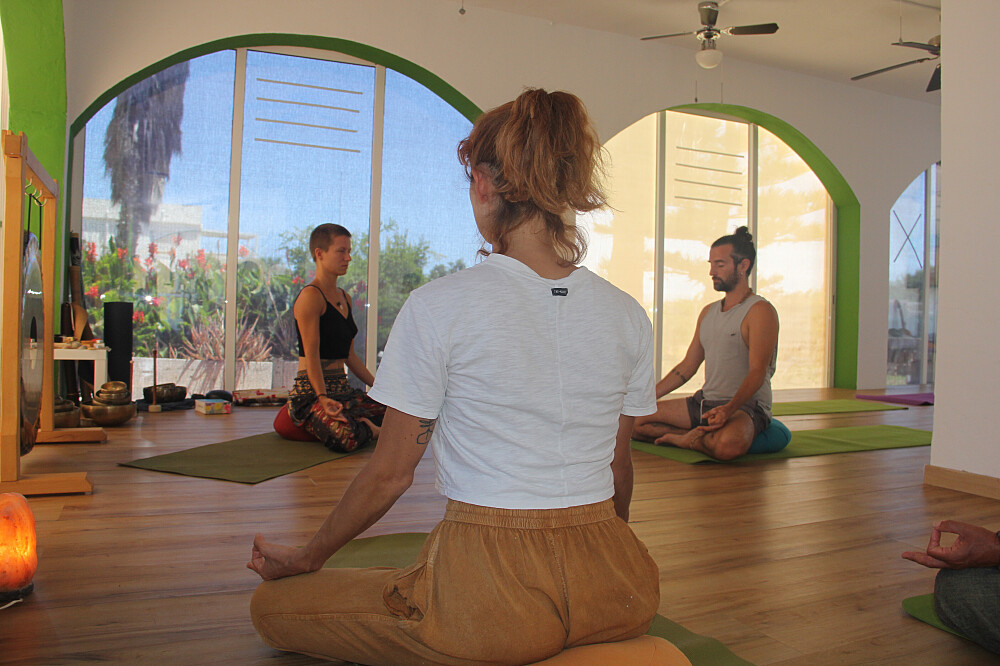
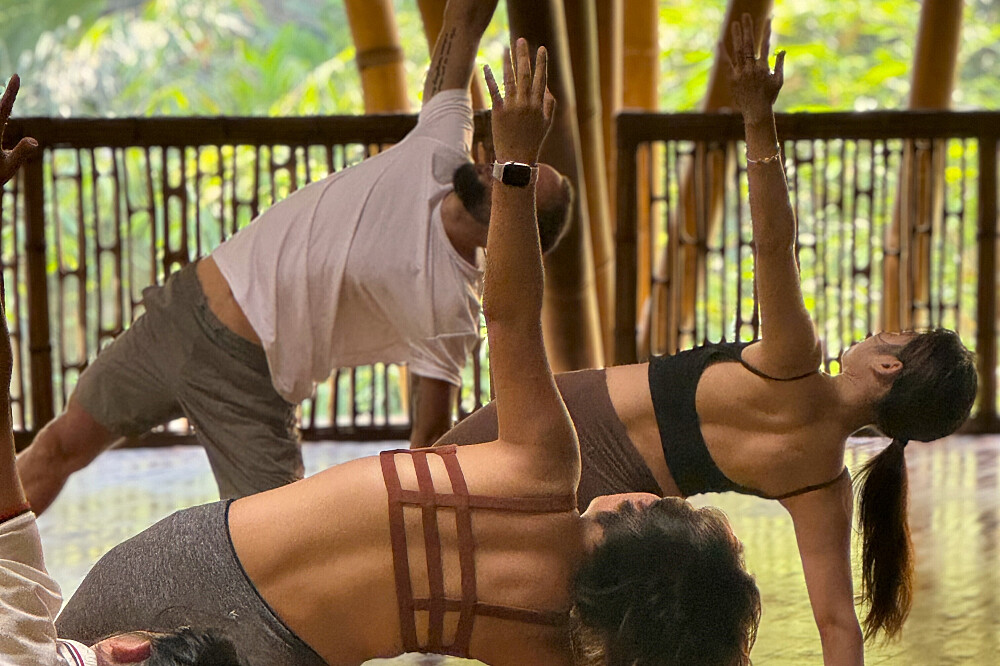
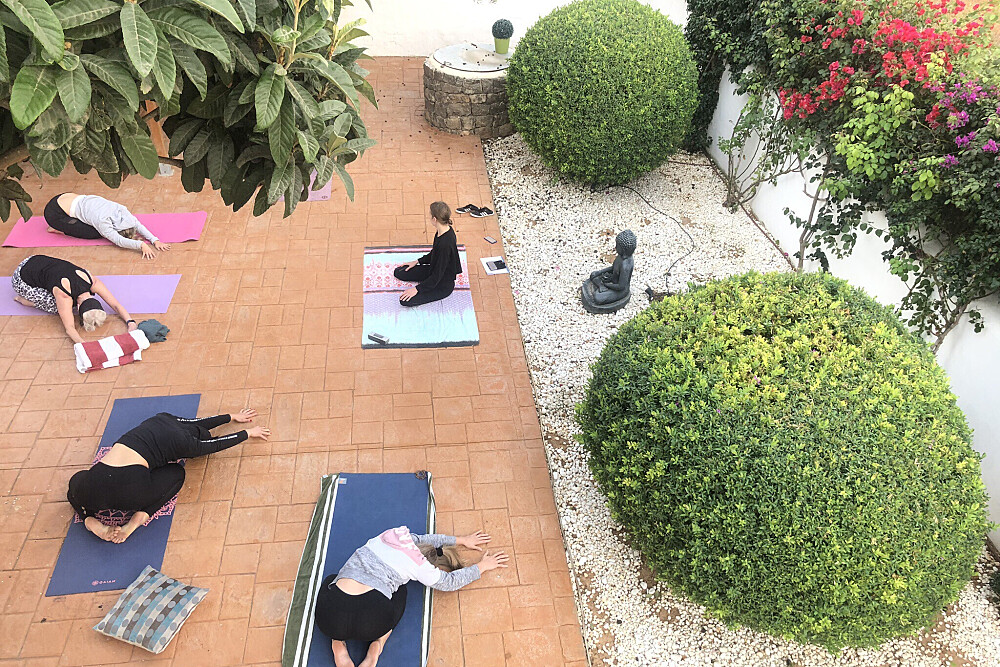
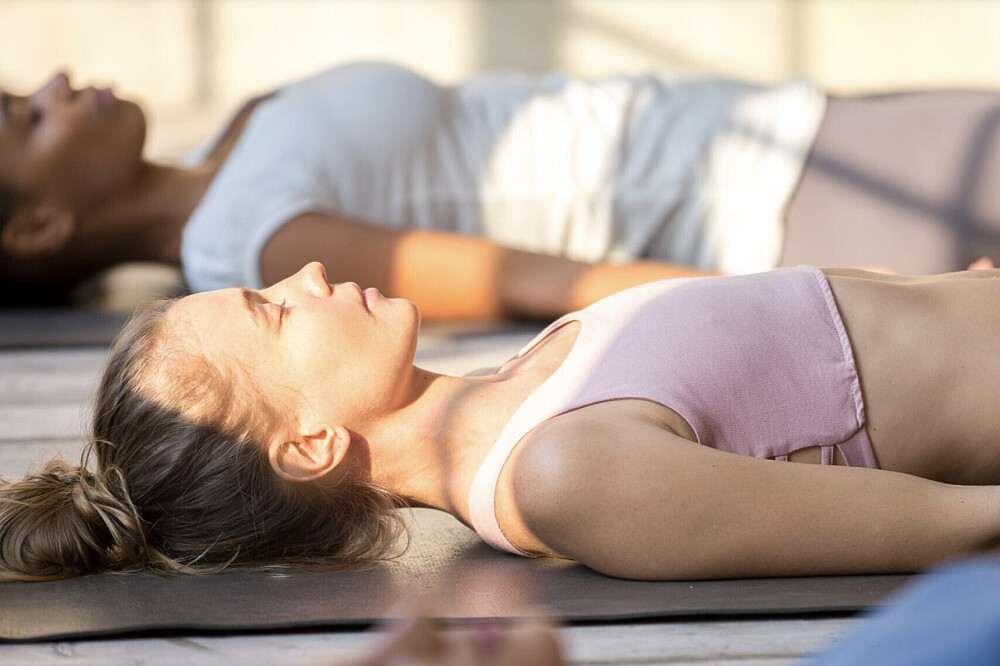
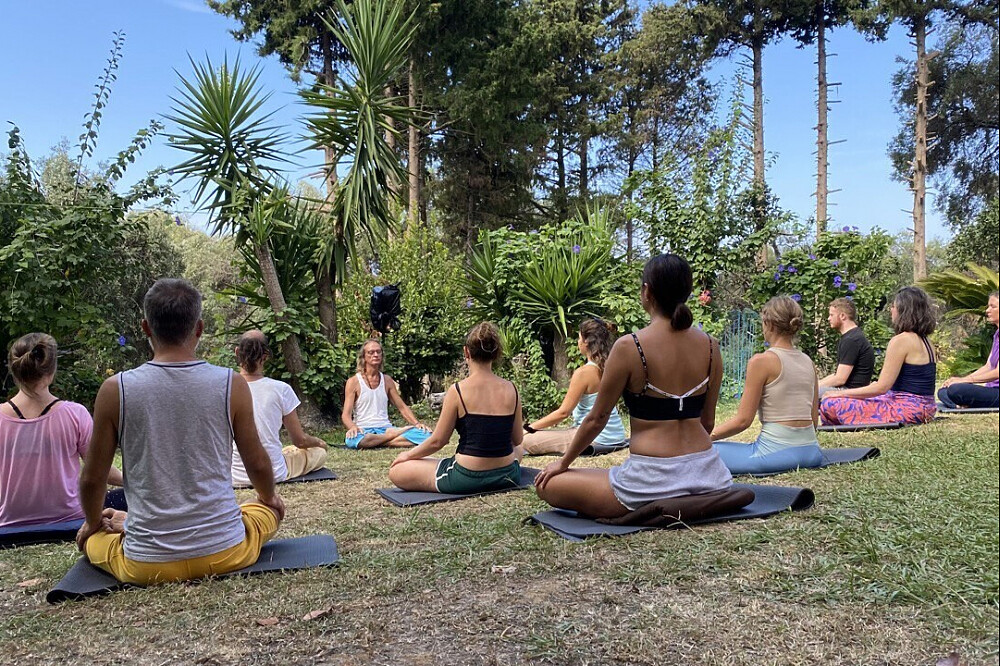
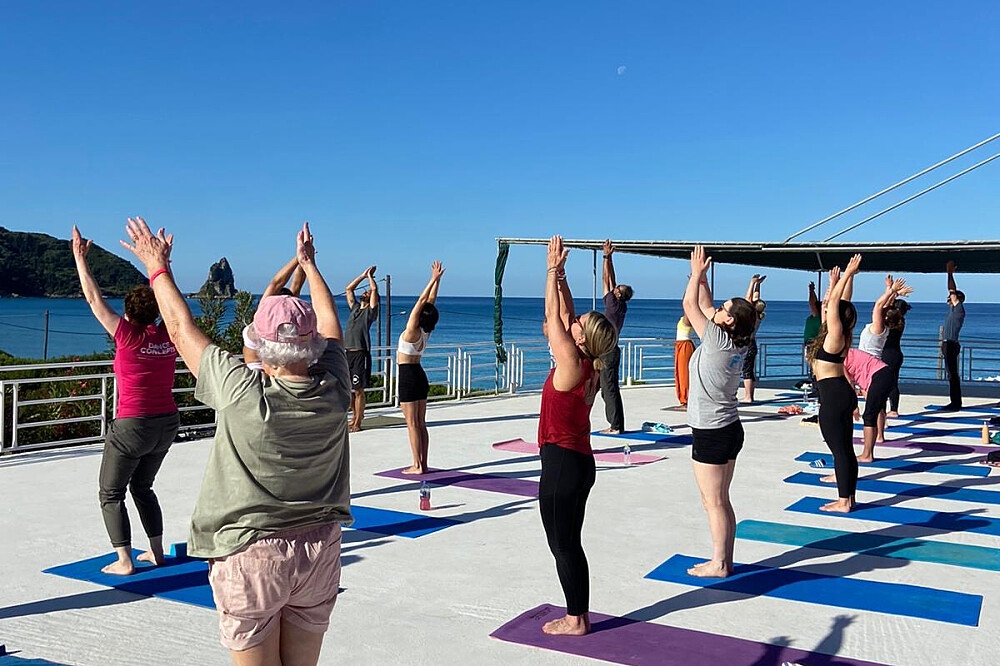
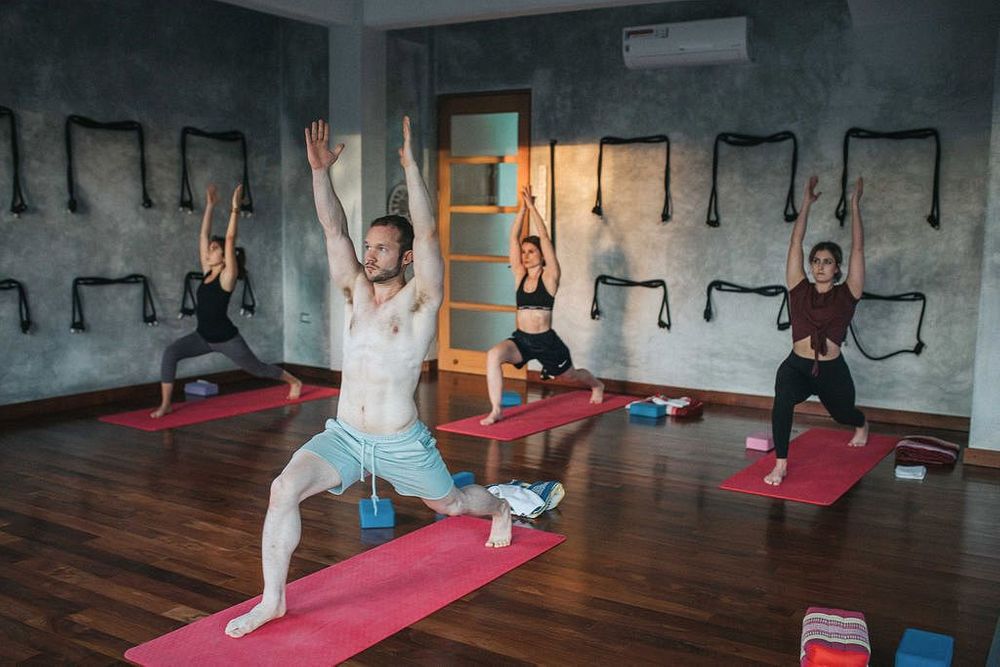
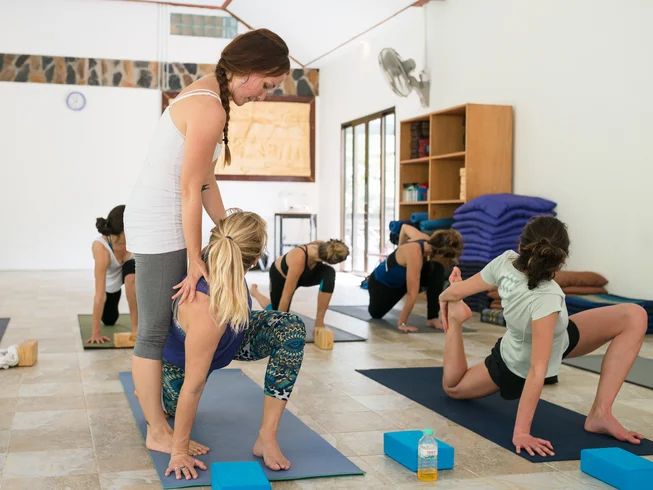
Then there are retreats built on yoga, where meditation sits beside asana, breathwork, chanting or yoga nidra, a guided practice done lying down. Some follow a specific lineage such as Kriya yoga; others teach sound meditation with bowls and gongs. These suit people who find long stretches of sitting hard, and they're usually less strict about silence. The table shows how often each element appears in the programmes in this guide, read from each one's own title and themes.
| Kind | Programmes |
|---|---|
| Yoga alongside the sitting | 36 of 53 |
| Nature, mountains or the sea | 11 of 53 |
| Silent, or with silent periods | 10 of 53 |
| Mindfulness | 8 of 53 |
| Yoga nidra, rest or stillness | 5 of 53 |
| Sound, mantra or chanting | 4 of 53 |
One programme can count under more than one kind.
How silent is a silent retreat?
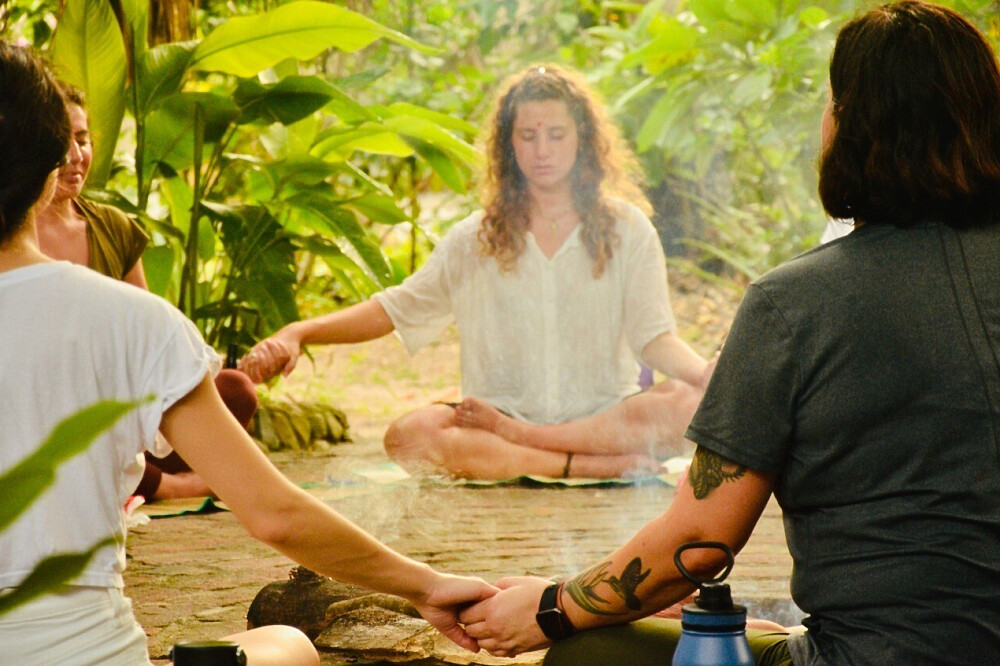
Silence means different things to different teachers, so ask which kind you're signing up for. At the strict end is what the Goenka tradition calls noble silence: silence of body, speech and mind, with no communication between students at all, whether by gesture, sign language or written note. You can still speak to the teacher about the practice and to the management about practical problems.
Many retreats keep silence for part of the day only: from the evening sitting until after breakfast, or during meals, or for a single silent day in the middle of the week. Others are silent apart from a daily group session where everyone talks. Phones are a separate question. Some retreats collect them on arrival, some ask you to switch them off, and some leave it to you. The same goes for reading, writing and music, which strict retreats ask you to give up too.
If silence is what draws you, the stricter formats are worth trying once. Without conversation to fill the gaps, the mind's habits show up quickly, and that's the point. If you're nervous about it, a retreat with silent mornings and talking evenings is a gentler way in.
How long to go for
For a first retreat, a long weekend or a few days is a sensible size: long enough to settle into a routine, short enough that a hard day doesn't feel endless. Many people find the second and third days the hardest, as the body protests and the novelty wears off, and the days after that easier. A week gives you time to get past that dip, and ten days or more is a serious commitment that most teachers suggest building up to.
Some formats come in fixed sizes. Goenka courses are always 10 days of practice, which spans 12 days with the arrival and departure days, and students commit to staying for the whole course. Zen sesshin are usually a set number of days too. Elsewhere, the host decides. The table below groups the programmes in this guide by length, with the range of from-prices and where they run.
| Length | Programmes | From-price (US$) | Where |
|---|---|---|---|
| Up to 4 days | 16 | US$150 – US$3,271 | United Kingdom, Indonesia, Nepal, Spain, United States, Finland, India, Portugal |
| 5 to 7 days | 20 | US$250 – US$4,100 | India, Indonesia, Spain, Thailand, United Kingdom, Brazil, Costa Rica, Greece, Italy, Nepal, United States |
| 8 to 13 days | 13 | US$381 – US$3,599 | Greece, India, Spain, United States, Brazil, Nepal, Peru, United Kingdom |
| 14 days or more | 4 | US$1,180 – US$2,390 | Cambodia, Mexico, Nepal, Thailand |
Your first retreat: what's hard, and what helps
The hardest part is rarely the silence. It's the sitting. Hours on a cushion are tough on knees, hips and backs that aren't used to it, and nobody minds if you use a meditation bench, a higher cushion or a chair. Tell the teacher on the first day if you need one. Sleepiness after lunch, restlessness in the evening and wild swings of mood in between are all normal, and teachers have heard every version of them.
Pack for long periods of stillness: loose, warm layers, a shawl or blanket for early sittings, and comfortable shoes that slip on and off easily, since many halls are shoe-free. Bring a water bottle and whatever you need to keep your own routine simple, because the fewer decisions you have to make, the easier the days become.
Go with modest expectations. Retreats are often sold as life-changing, and sometimes they are, but most of the time they're simply hard, quiet work that shows you how your mind behaves. Teachers tend to say the useful question afterwards isn't whether you had a special experience, but whether any of the practice comes home with you.
Looking after yourself
Intensive meditation isn't risk-free, and good teachers say so. The US National Center for Complementary and Integrative Health summarises research in which about 8 percent of participants reported a negative effect from meditating, most often anxiety or depression, and advises against using meditation to replace conventional care or to put off seeing a health professional about a medical problem.
The Goenka organisation's own code of discipline says that its courses are not a substitute for medical or psychiatric treatment, and that it does not recommend them for people with significant mental health issues. If you have a history of trauma, depression, anxiety or psychosis, talk to your own clinician before booking, tell the teacher on the application form, and ask what support is available if something difficult comes up in the middle of a silent week.
A good retreat makes space for that conversation. Ask who you can speak to during the retreat, how often the teacher is available, and whether you can step out of a session, or leave early, if you need to.
Where the retreats are
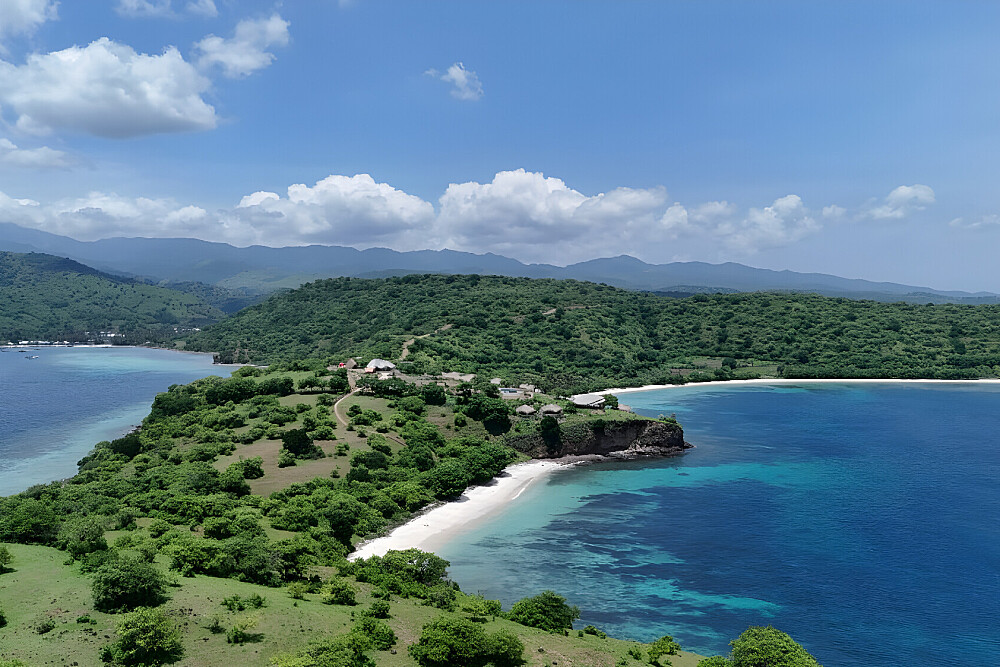
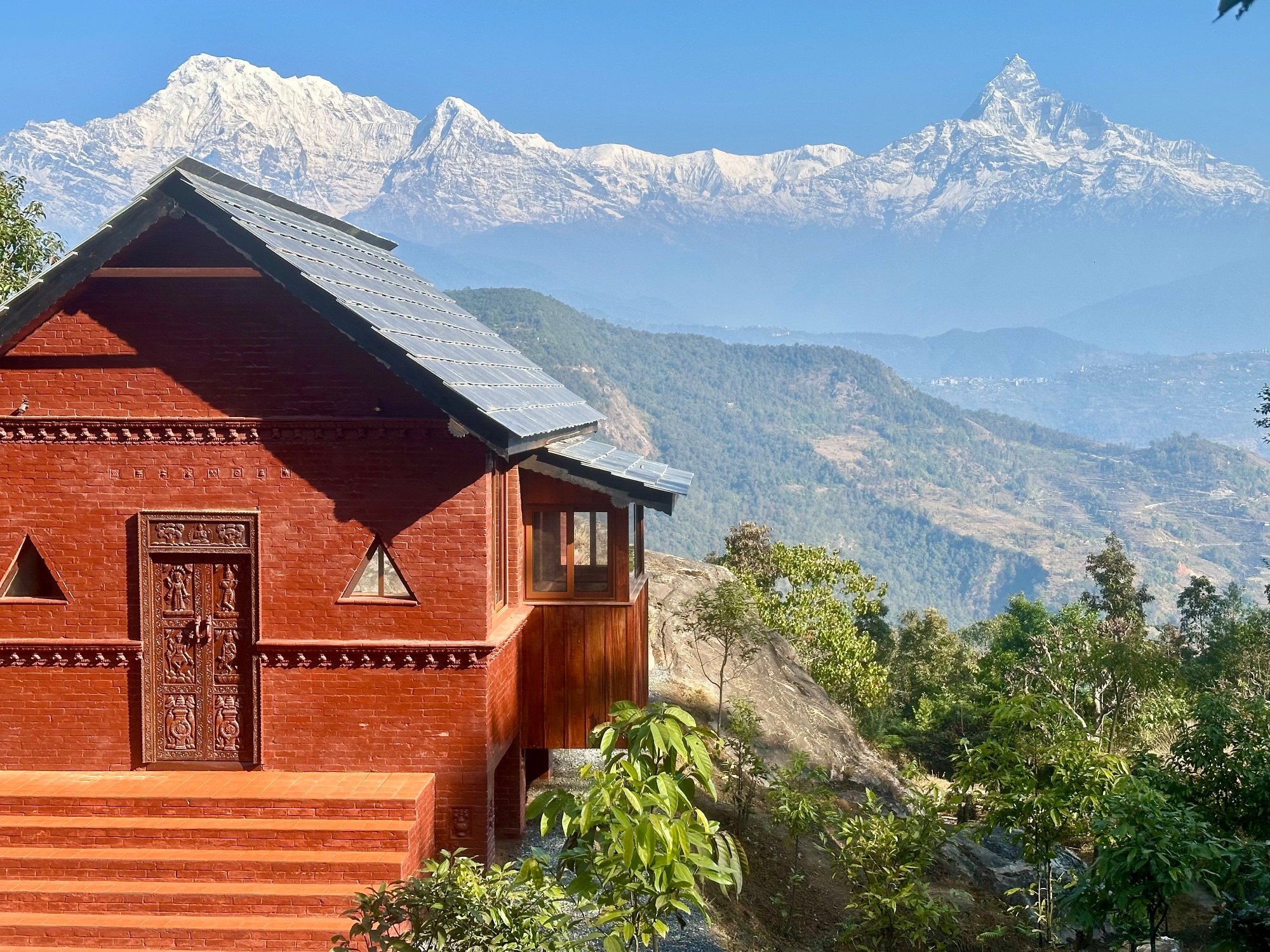
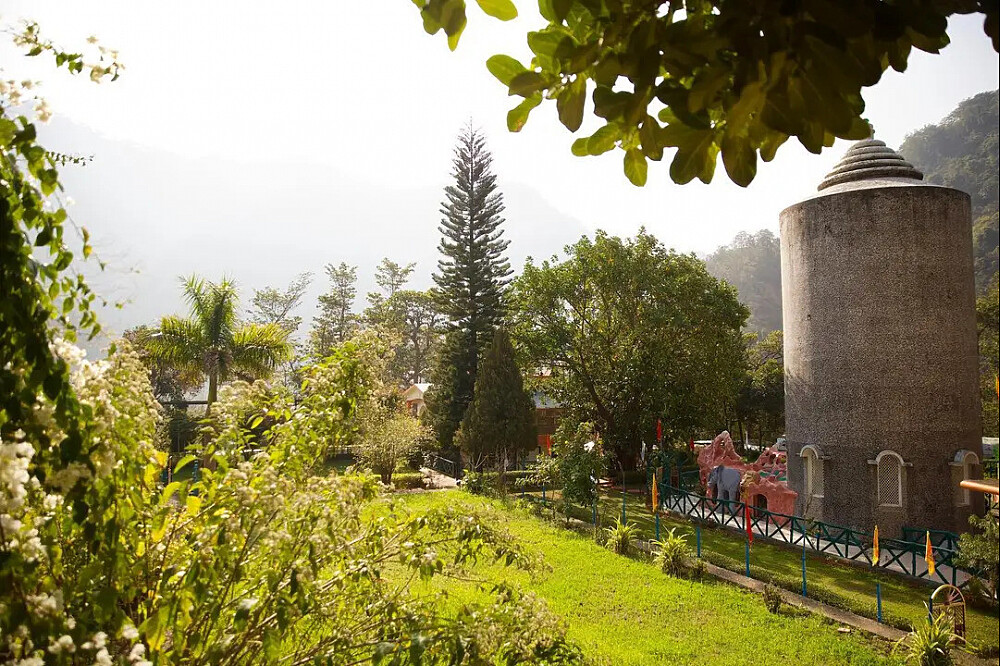
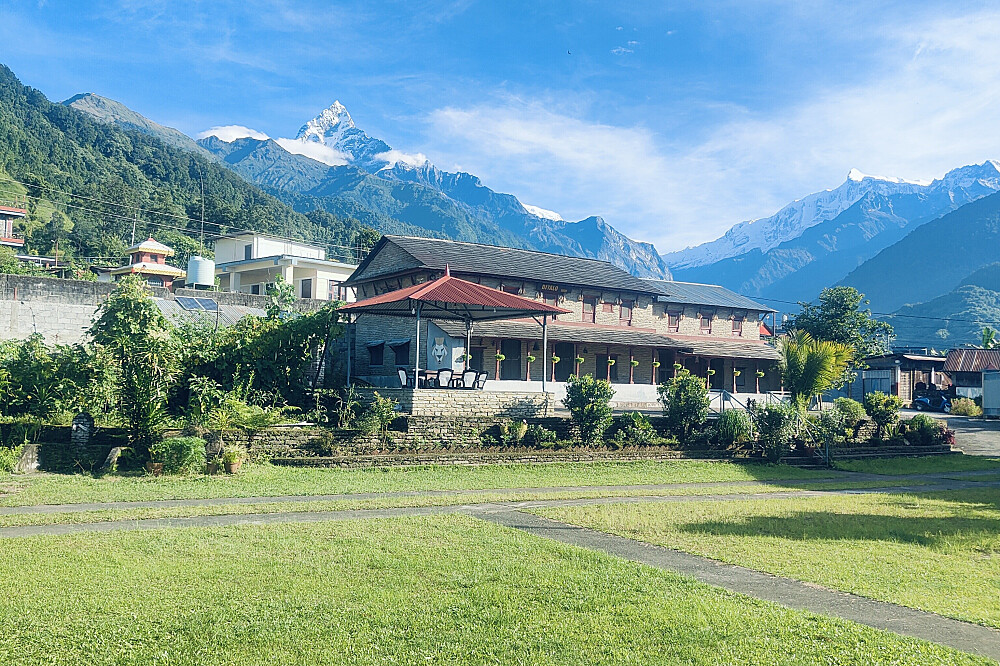
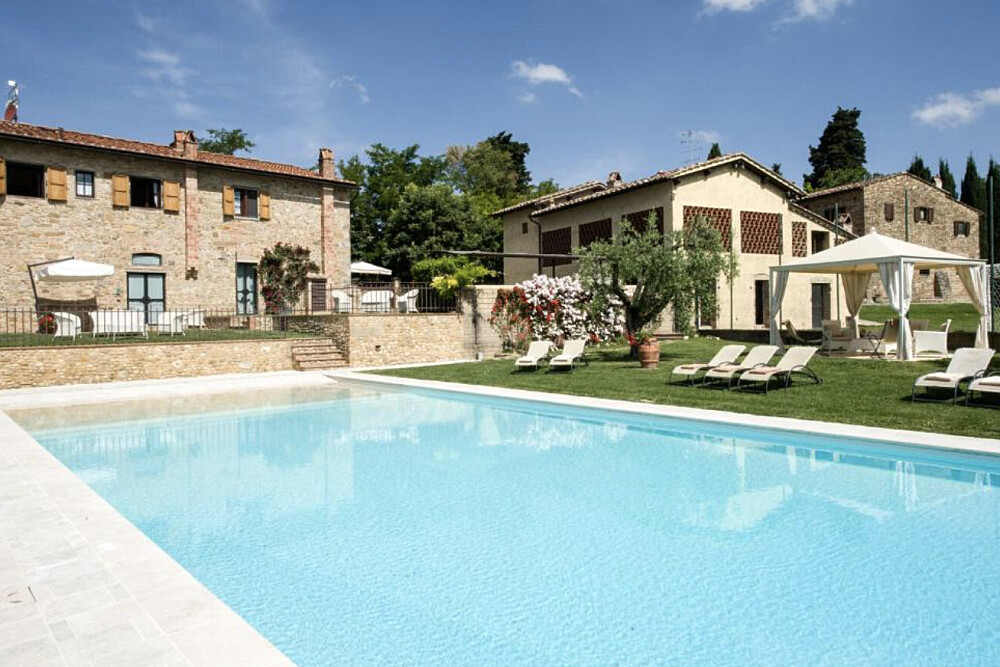
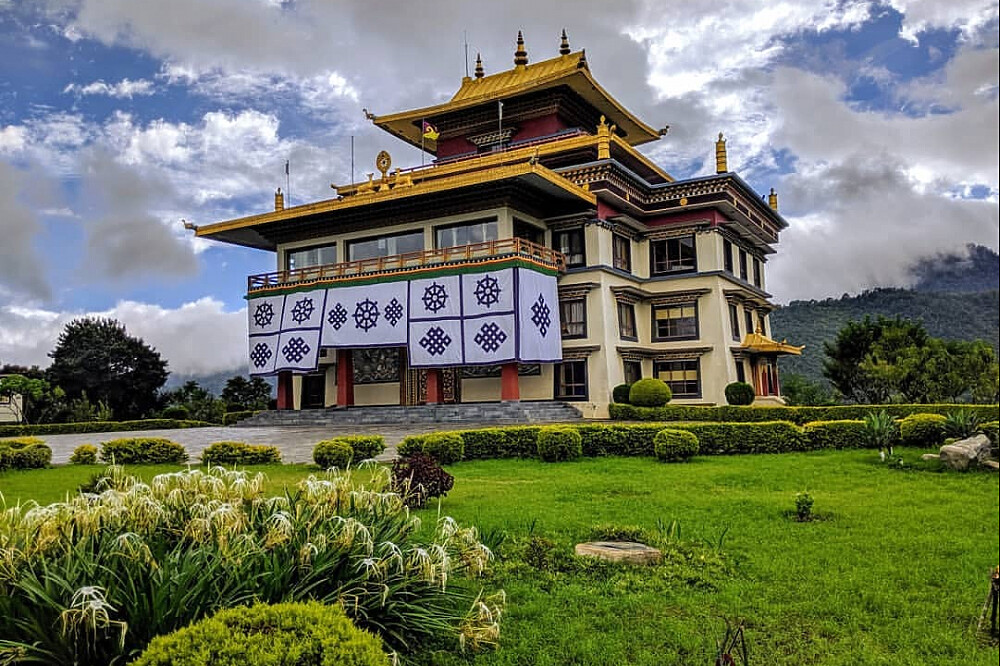
You don't have to fly far to sit still. Some of the most useful retreats are within a train ride of home, which makes it easy to try a weekend before committing to something longer. Travelling further brings other things: a monastery or ashram where the practice has deep local roots, a setting such as the Himalayan foothills or a Mediterranean island that makes the days feel less like an exam, and more distance from the pull of ordinary life.
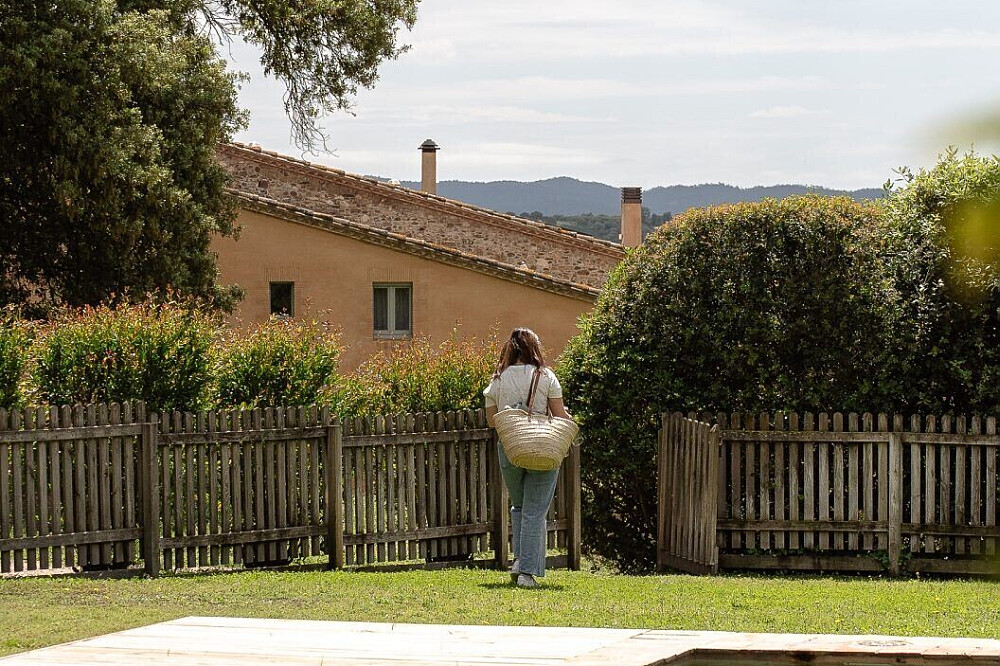
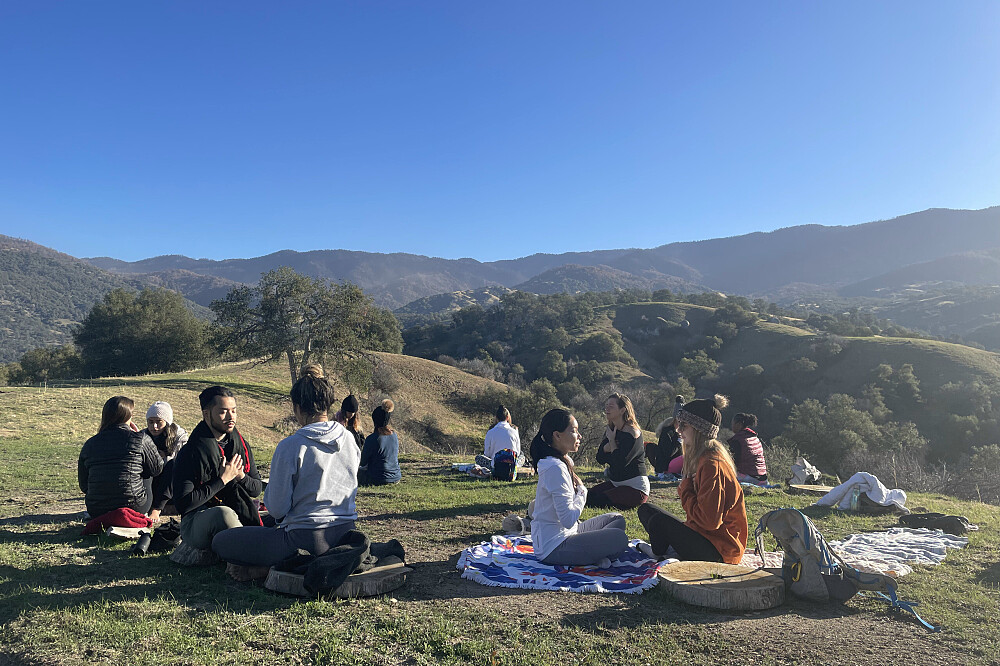
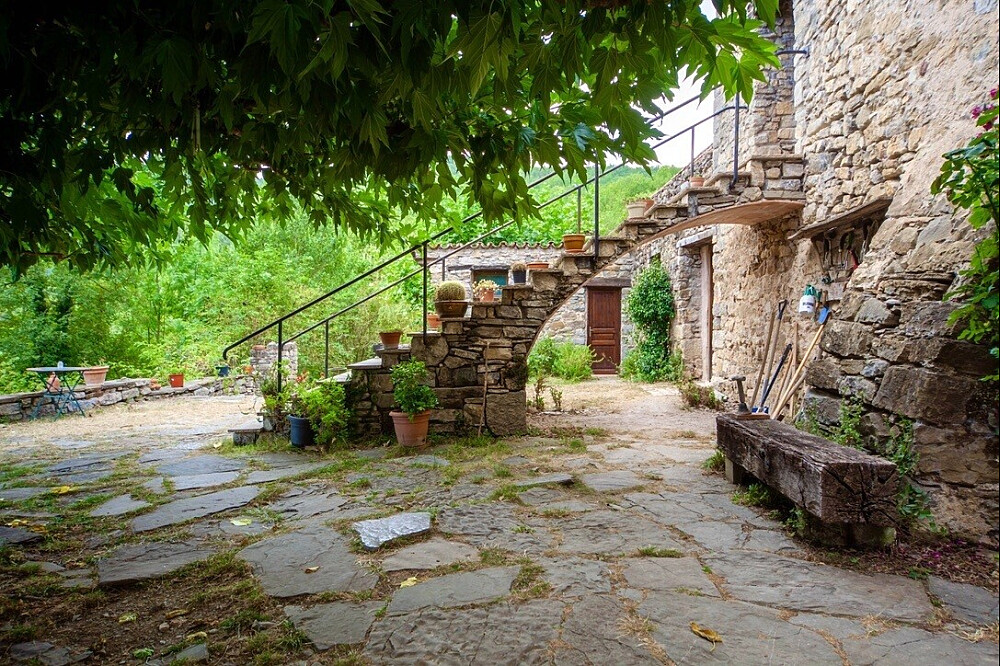
The setting matters more than it looks on the website. A forest or farm with paths to walk between sittings makes long days easier; a retreat in a busy town needs a quiet hall to work at all. The table below groups the programmes in this guide by country, with their lengths and from-prices.
| Country | Programmes | Length | From-price (US$) |
|---|---|---|---|
| India | 9 | 3–11 days | US$150 – US$1,099 |
| United Kingdom | 7 | 3–8 days | US$381 – US$3,271 |
| Spain | 6 | 4–8 days | US$439 – US$3,599 |
| Indonesia | 5 | 3–7 days | US$160 – US$2,099 |
| Nepal | 5 | 4–21 days | US$215 – US$1,180 |
| United States | 5 | 3–8 days | US$950 – US$3,599 |
| Greece | 4 | 7–8 days | US$381 – US$3,200 |
| Other countries: Thailand, Brazil, Cambodia, Costa Rica, Finland, Italy, Mexico, Peru, Portugal | 12 | 3–22 days | US$607 – US$4,100 |
What it costs
Meditation retreats sit at both ends of the price range. Some traditions run their courses on donations: in the Goenka centres, for example, donations are accepted only from people who have completed a course, so a first course has no fee. Monasteries and some ashrams work in a similar way, with a suggested contribution for food and lodging and a separate gift for the teachers, a custom often called dana.
Paid retreats price in the room, the food, the setting and the teacher's time. A shared room in a simple centre and a private room in a country house can sit on the same timetable at very different prices, and private or one-to-one retreats, where a teacher works with you alone, cost the most. The summary at the top of this page gives the range and median of the from-prices for the programmes in this guide.
Compare what each day contains: how many hours of teaching, how many meals, and whether the room is shared. And check the terms of the deposit, since some retreats hold places for weeks and can't refill a late cancellation.
Questions to ask a teacher before you book
- Which tradition or method do you teach, and who leads the retreat?
- What does a typical day look like: how many hours of sitting, and when does the silence apply?
- Are phones, reading and writing allowed?
- Can I sit on a chair or a bench, and is there an alternative to sitting for long periods?
- How often can I speak with the teacher, and what happens if I find the retreat difficult?
- Is the retreat suitable for beginners, or do you expect previous practice?
- What's included in the price, and is there a work period or a donation on top?
- What are the deposit and cancellation terms?
A teacher who answers these clearly and without pressure is a good sign. A retreat that promises a particular outcome, rather than describing the practice, deserves more questions.